Grow to Learn: Our School Allotment in Action
National Allotment Week 2026 celebrates the theme “Grow to Learn” - and there could hardly be a better description of what happens on our school garden.
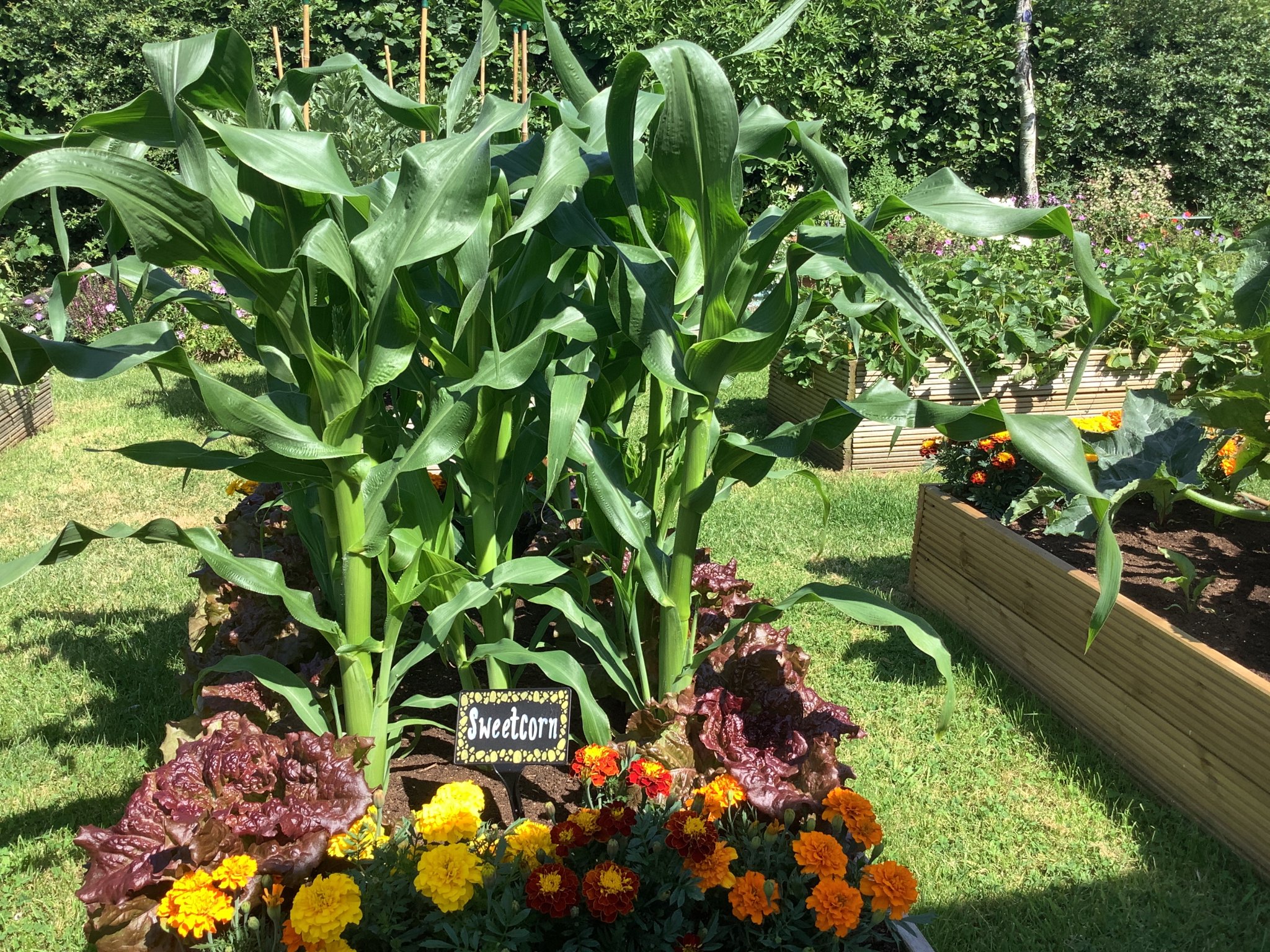
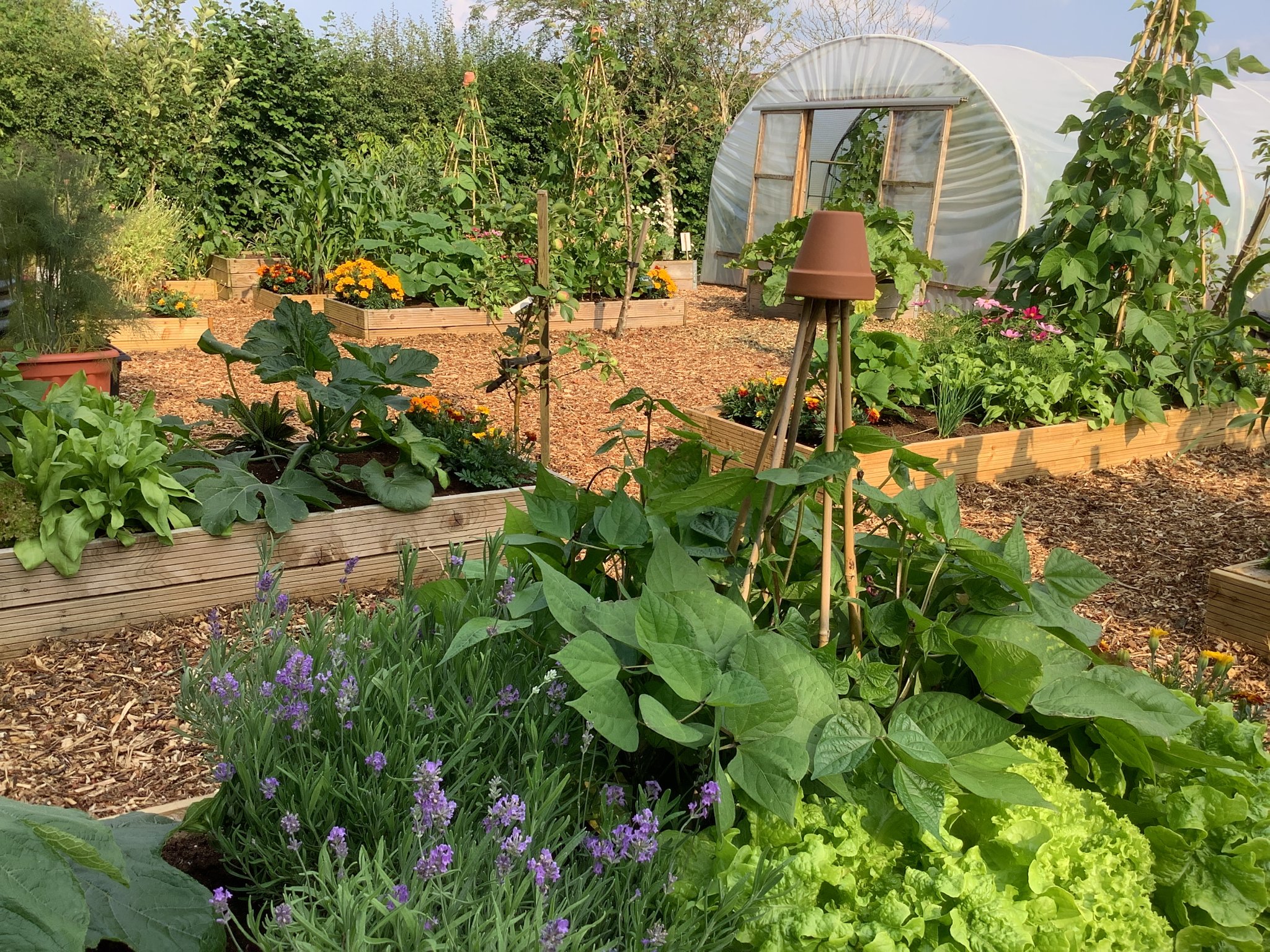
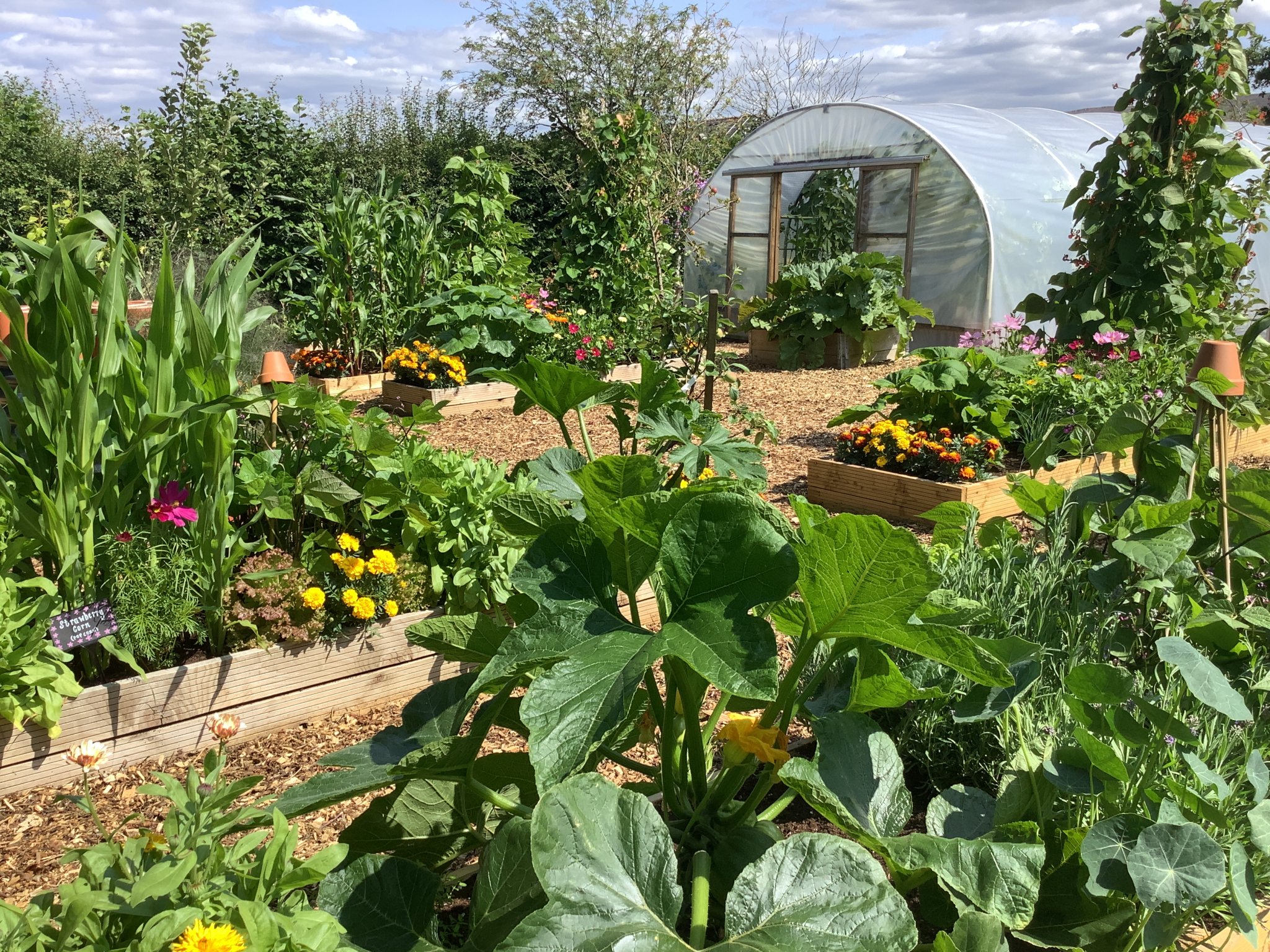
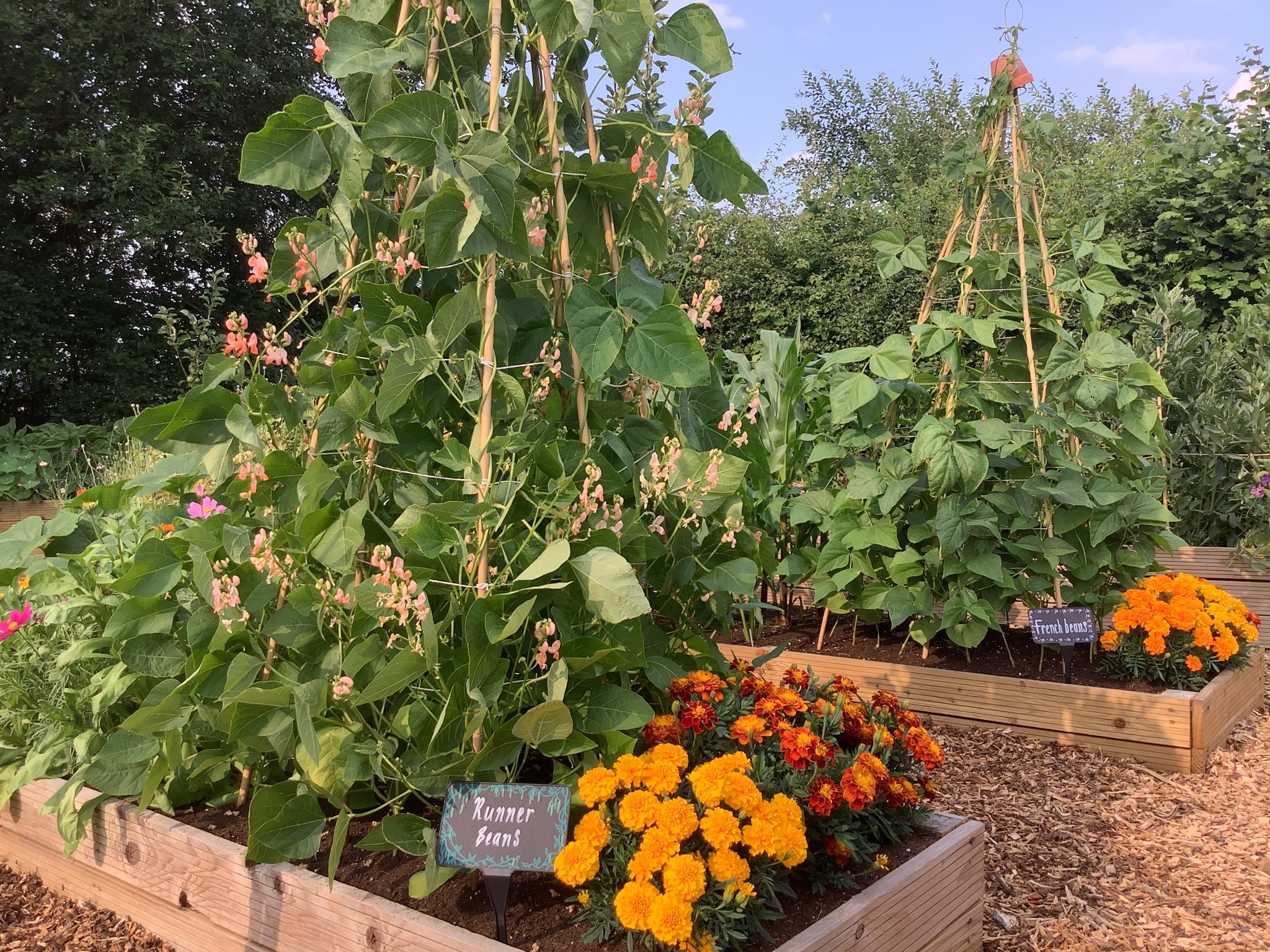
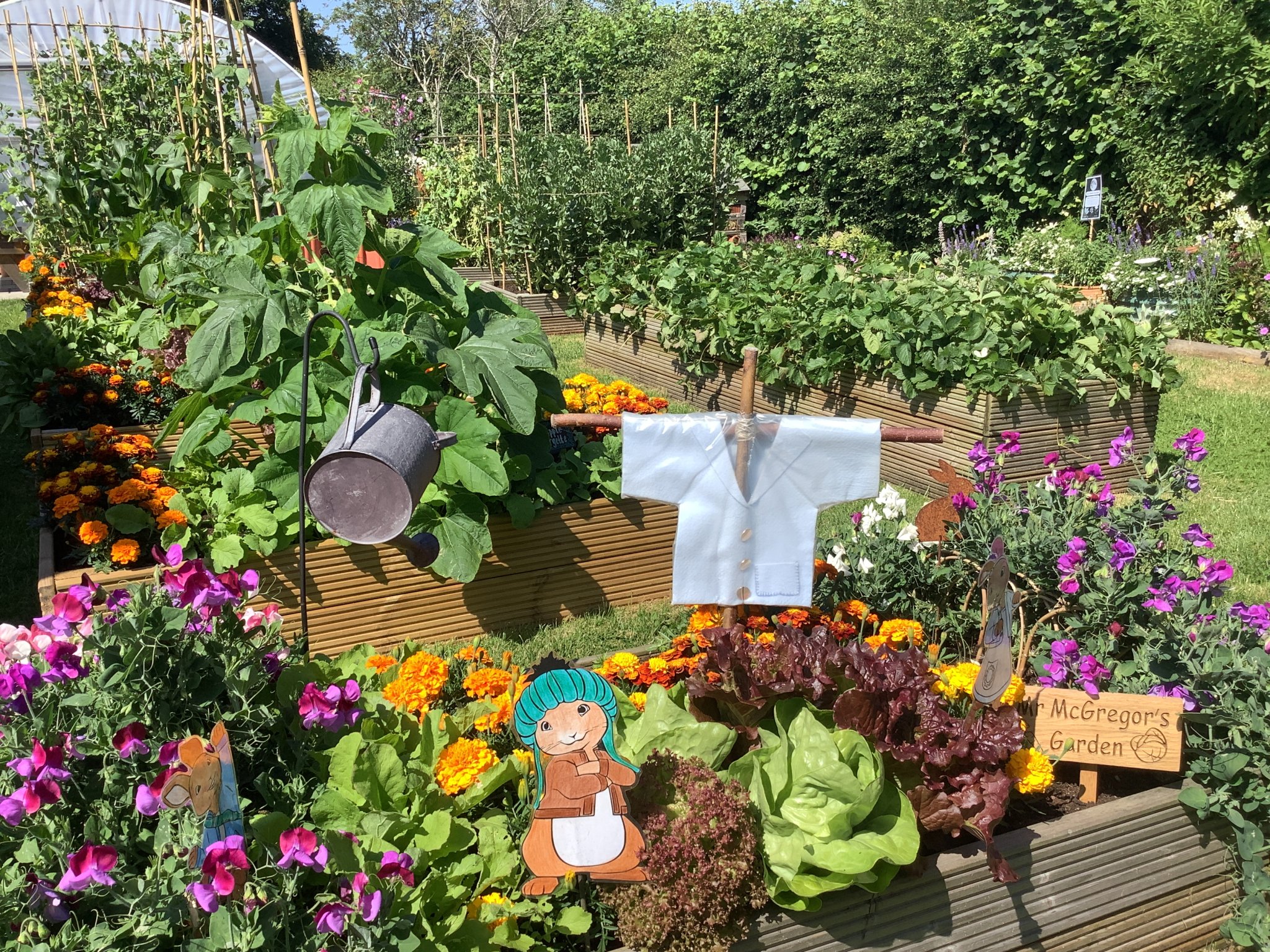
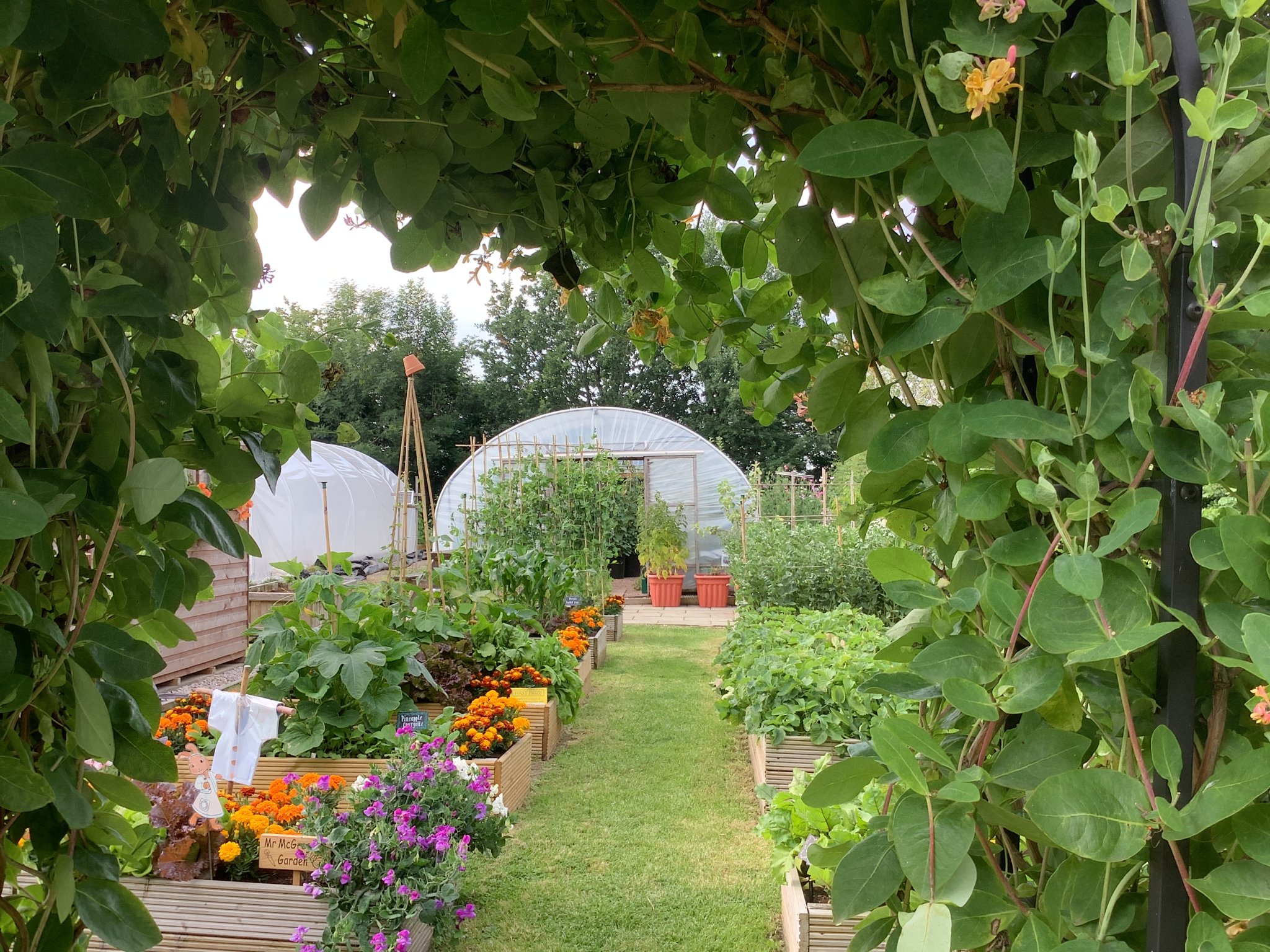
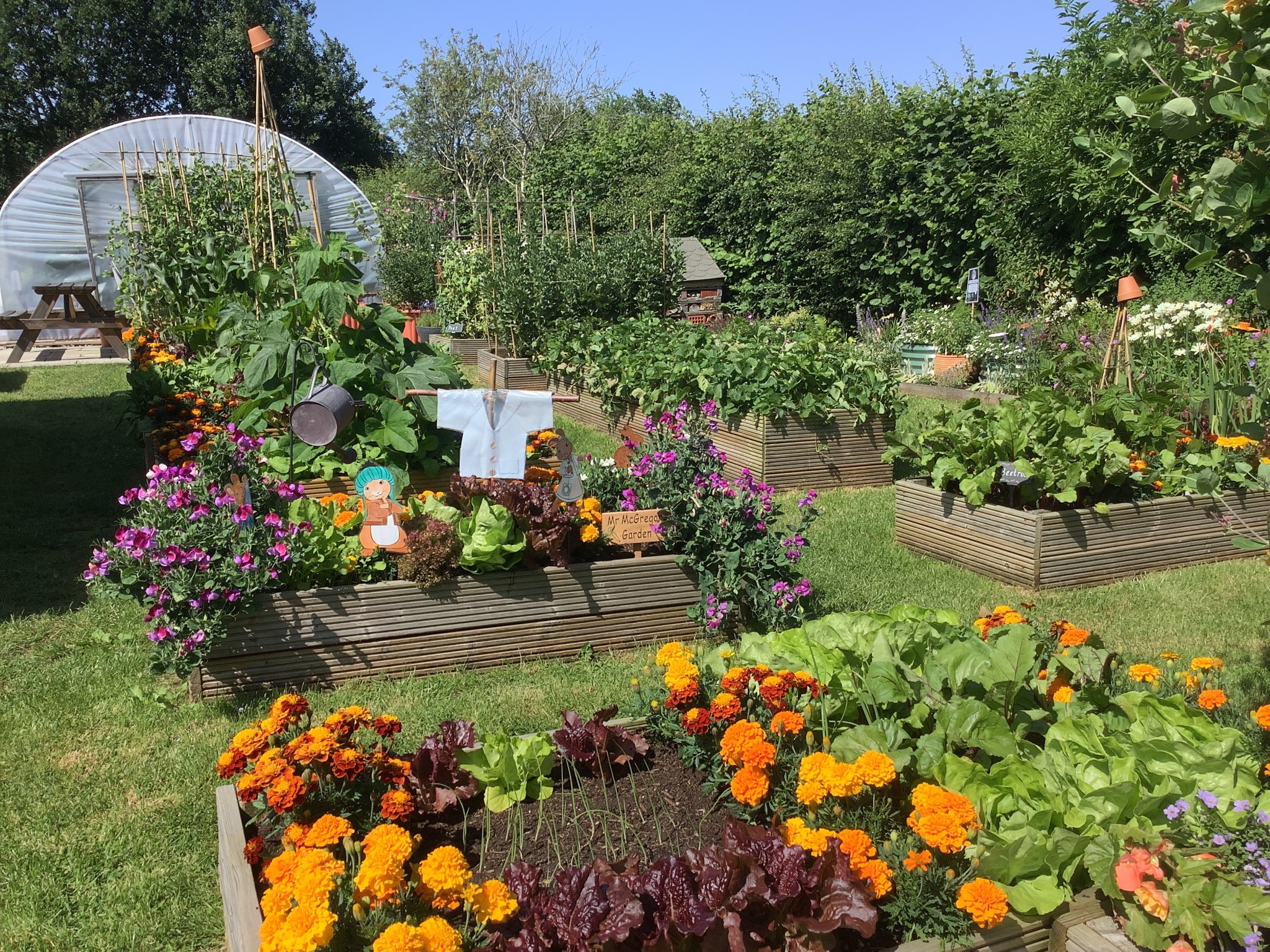
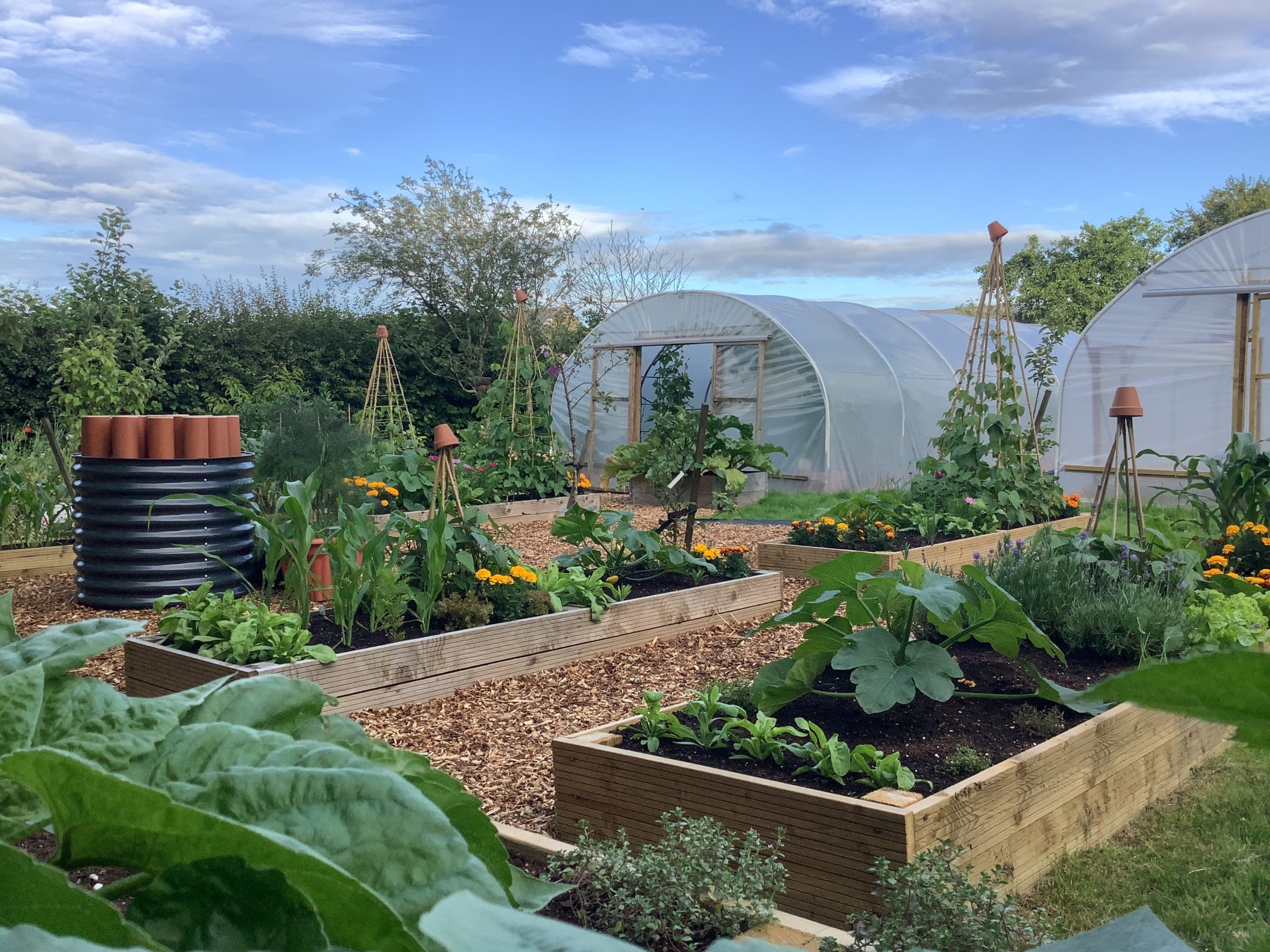
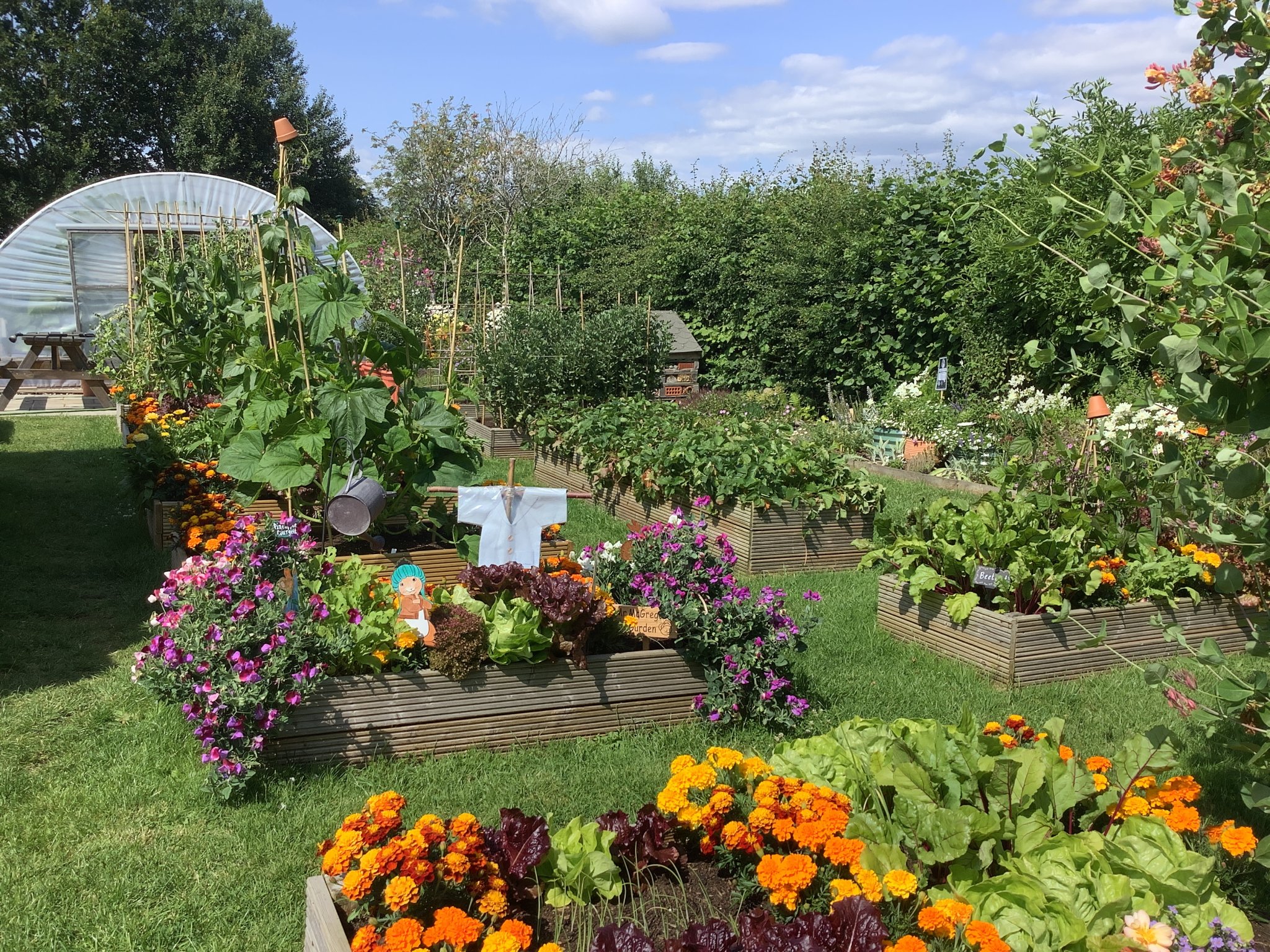
Our allotment is constantly evolving. There is always another idea to try, another growing space to create and, of course, another plant that the children want to grow. This year, we have been developing additional raised beds around the back of our polytunnels, creating even more space for the children to grow, explore and learn.
And what a productive growing space it has become.
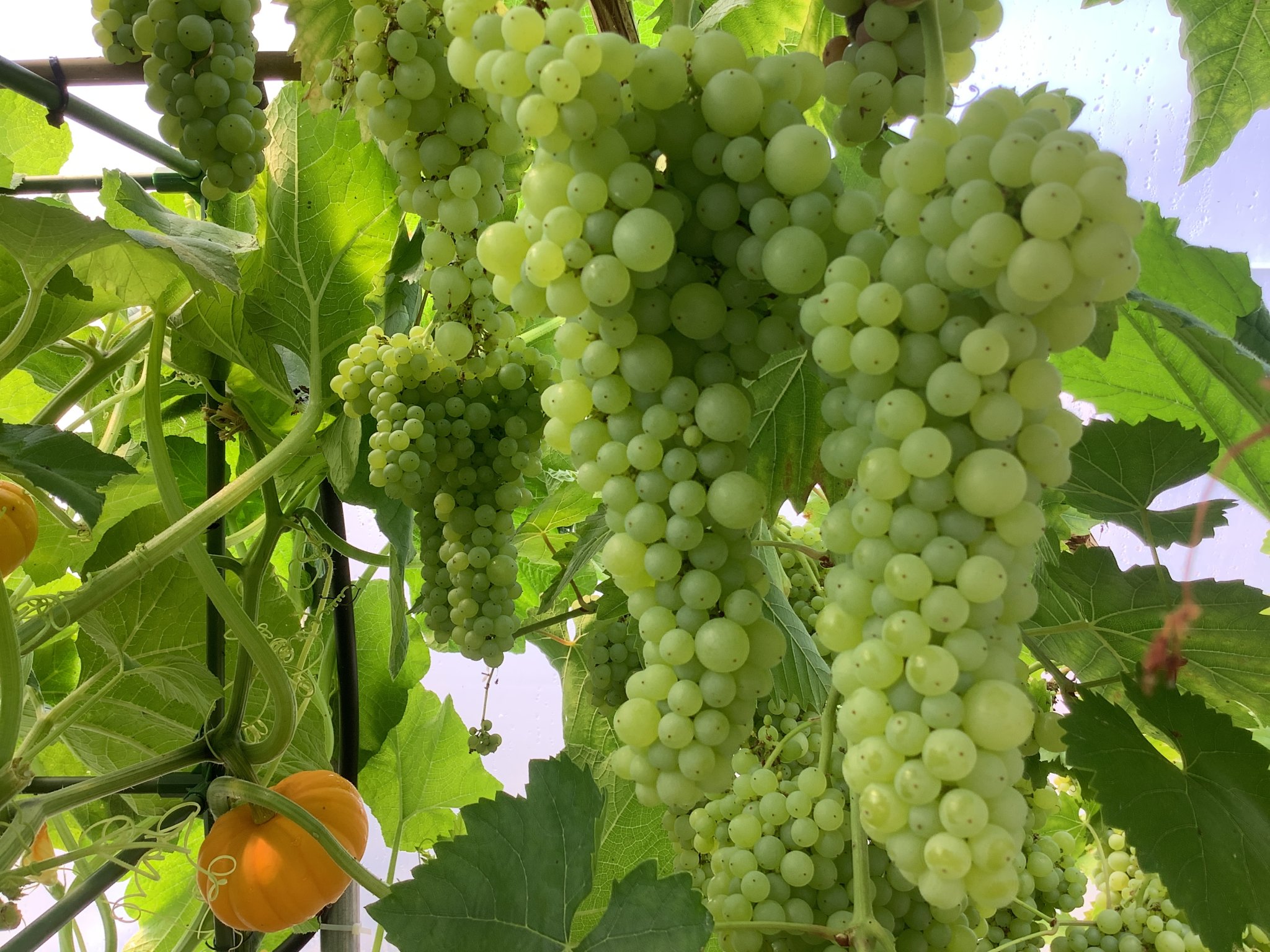
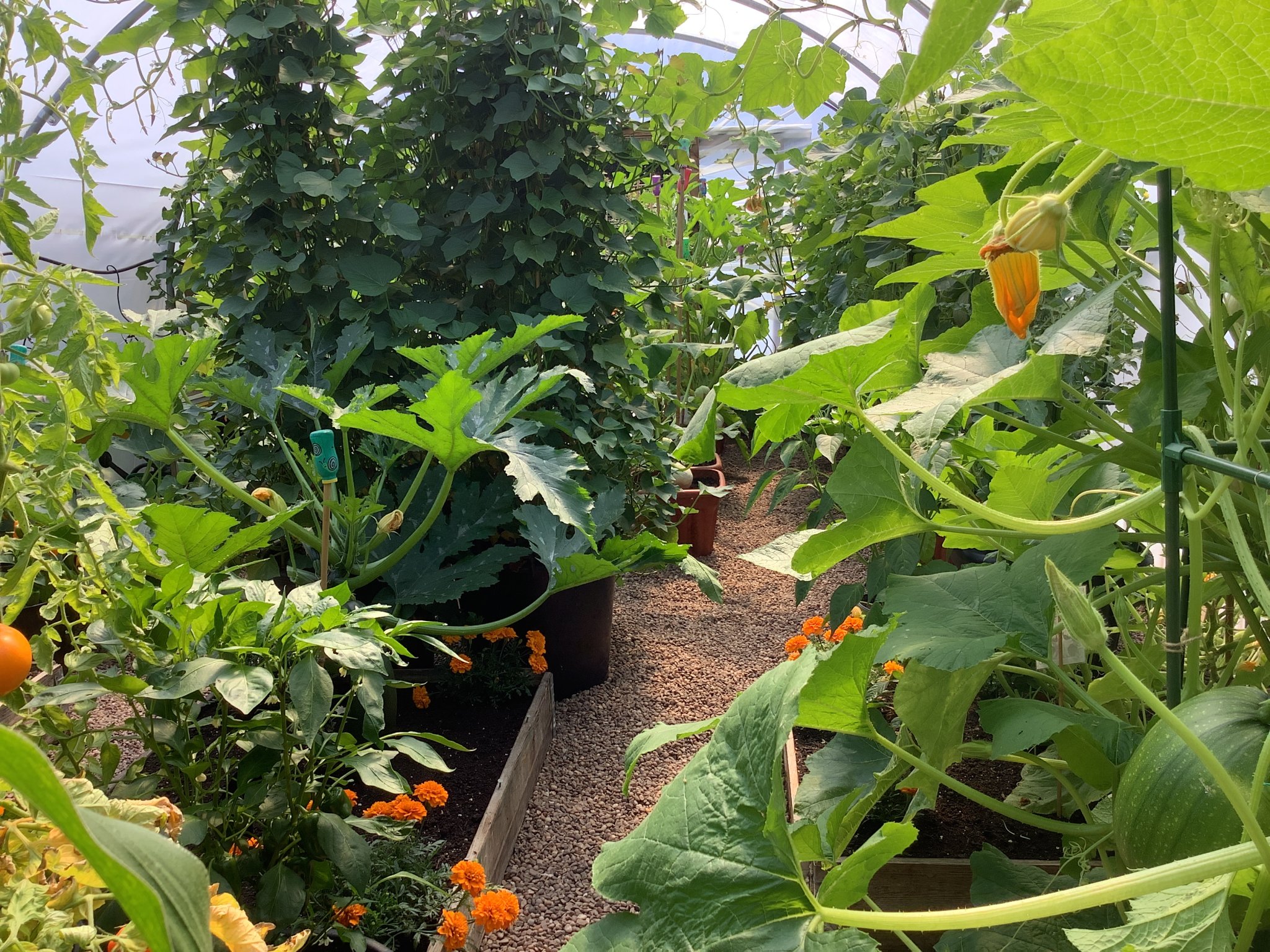
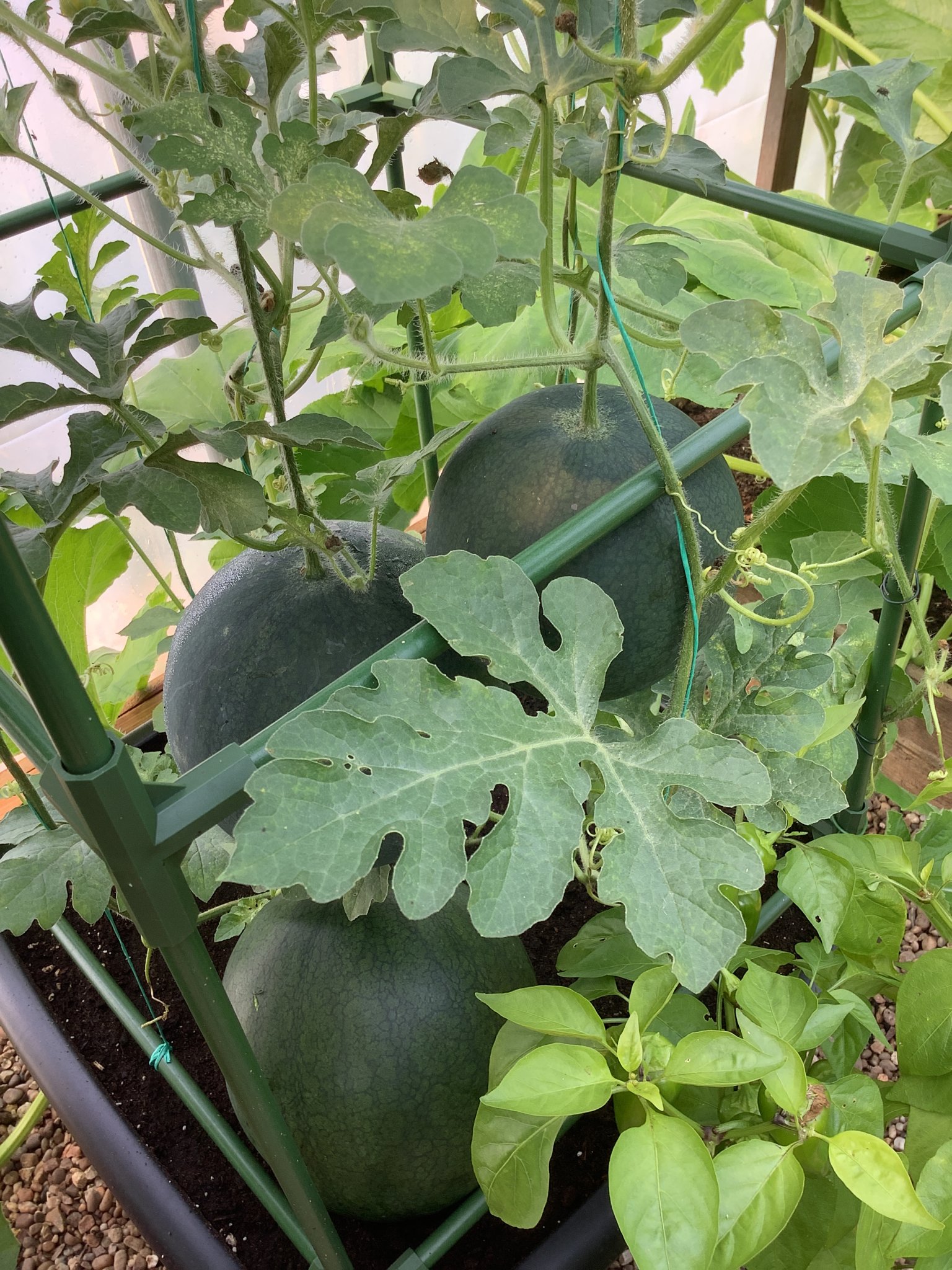
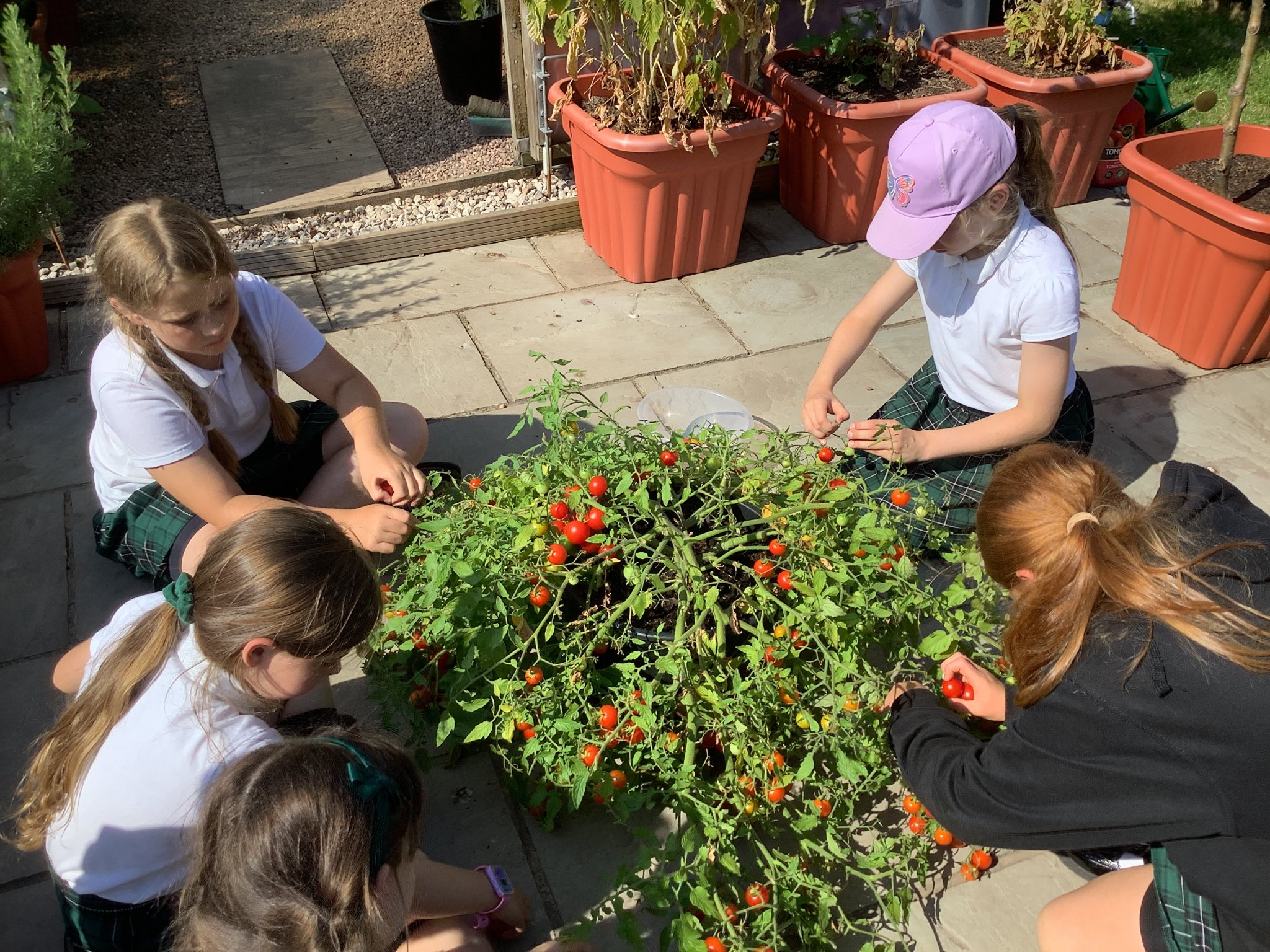
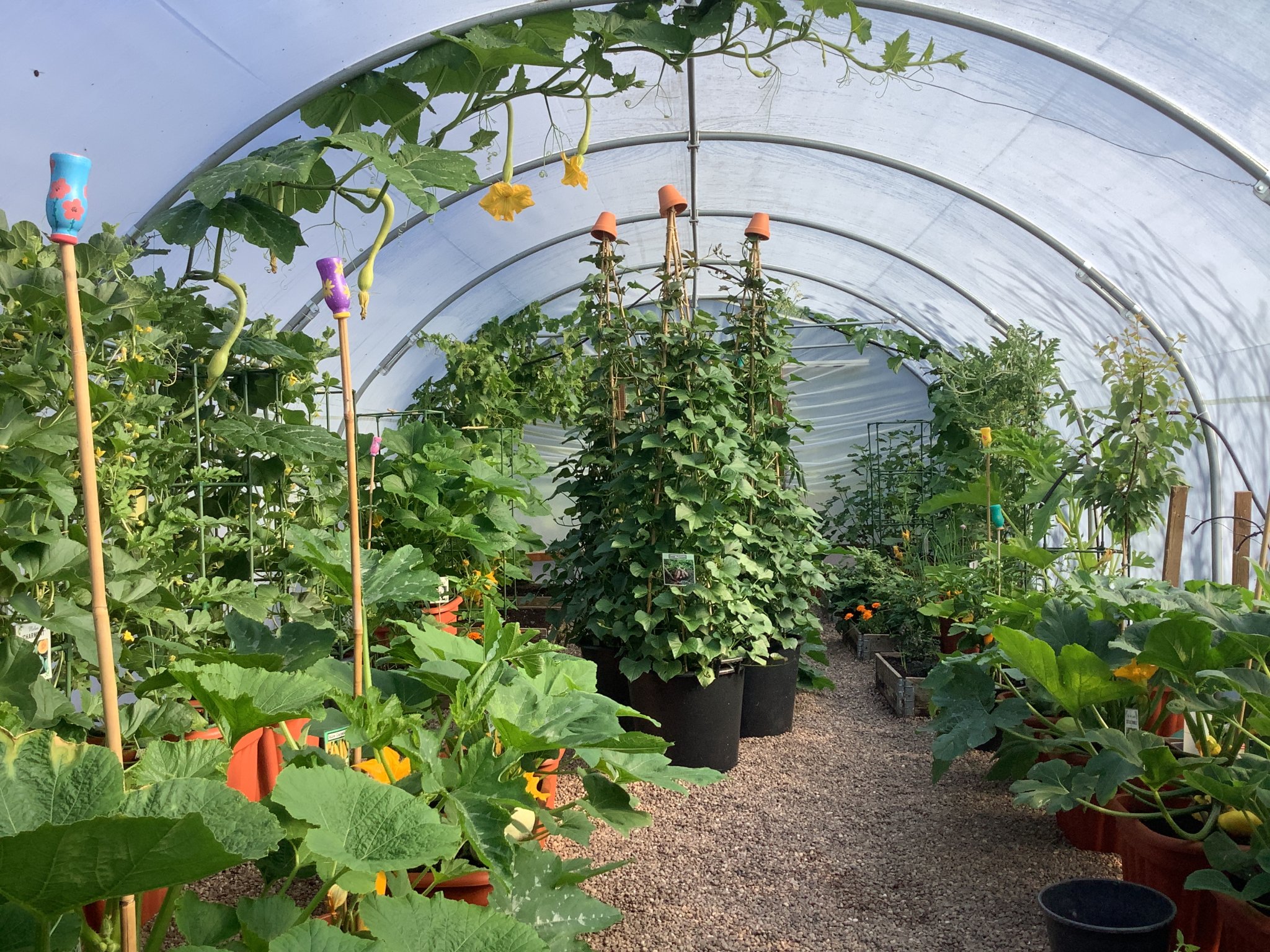
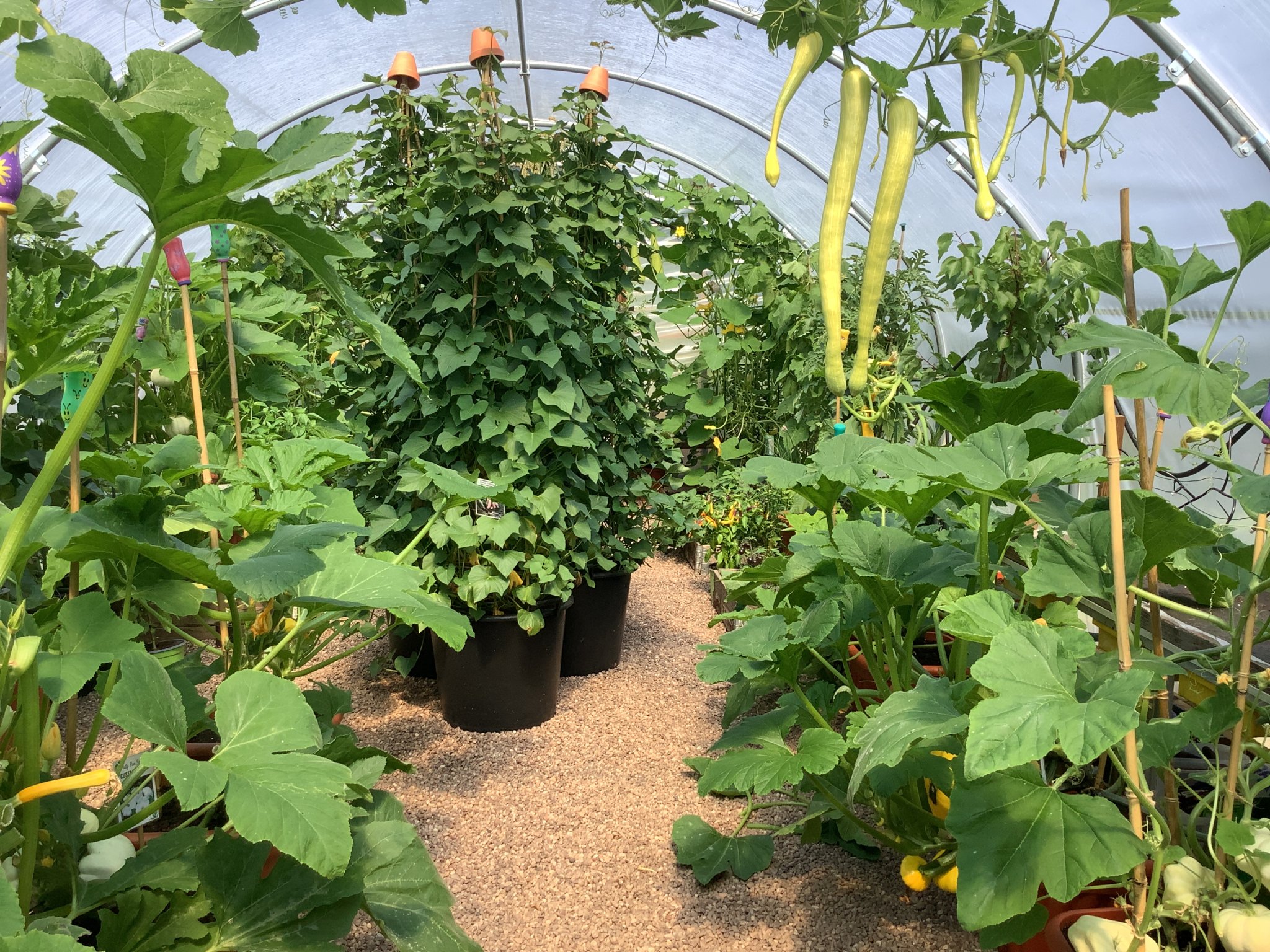
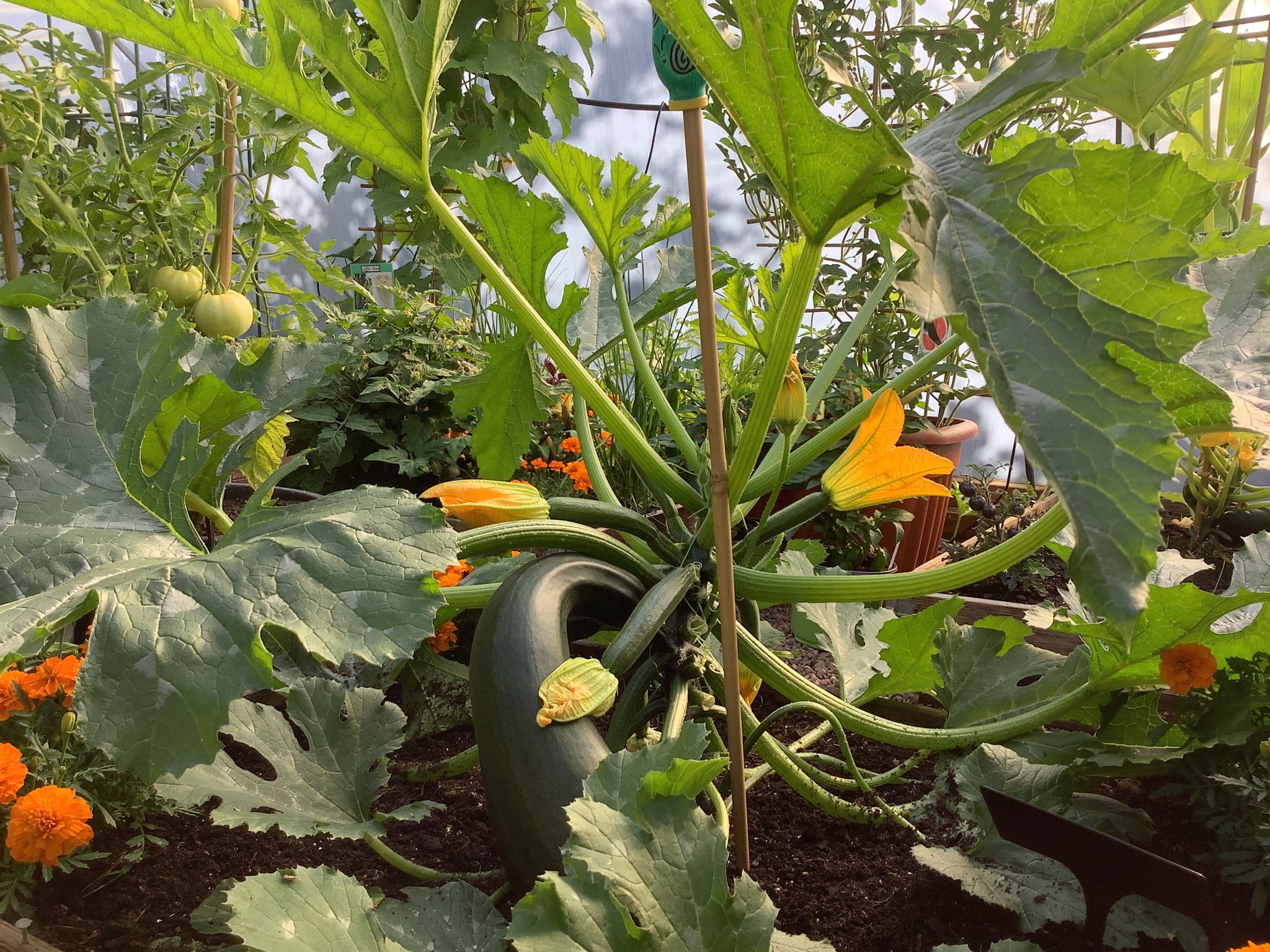
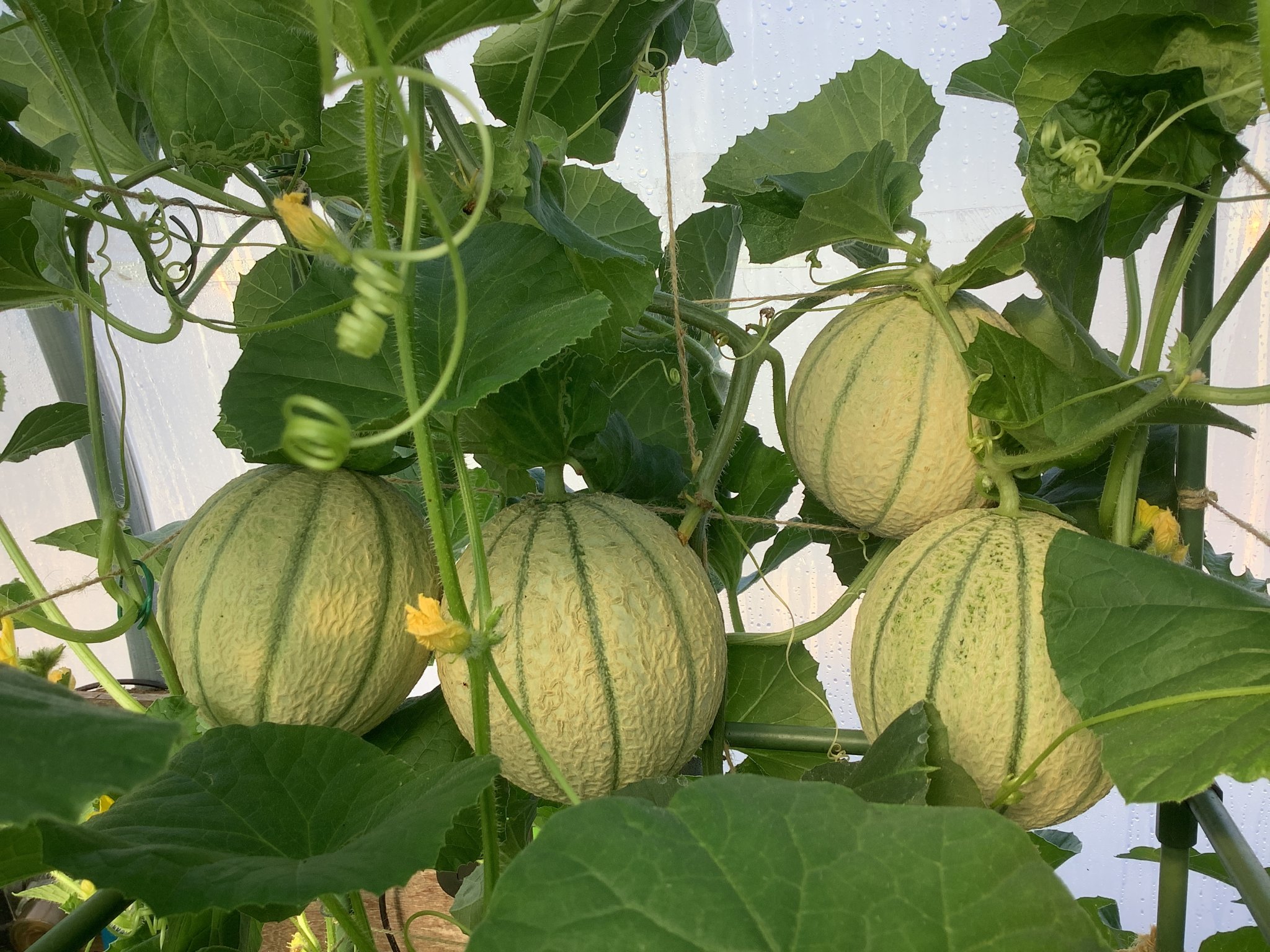
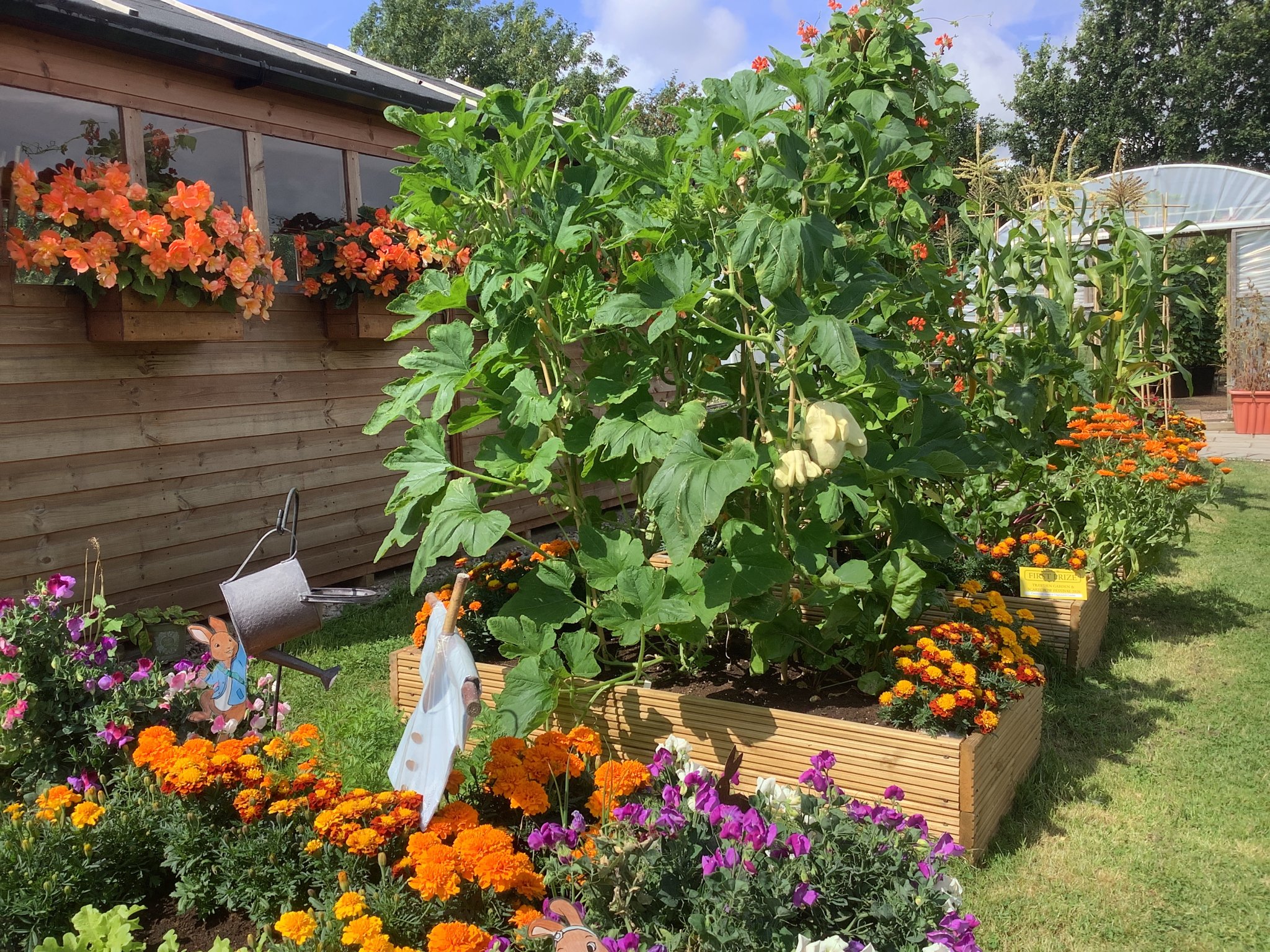
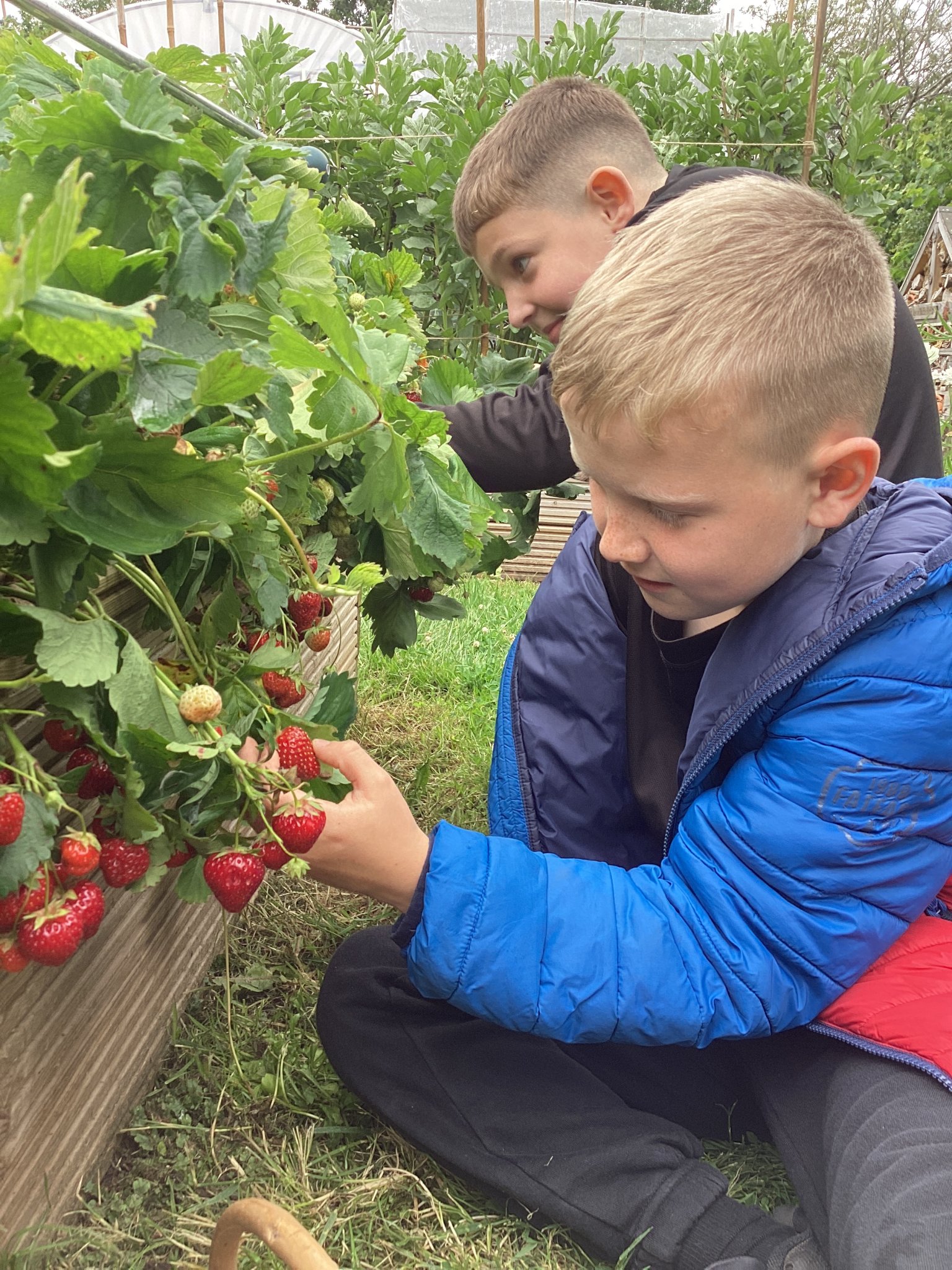
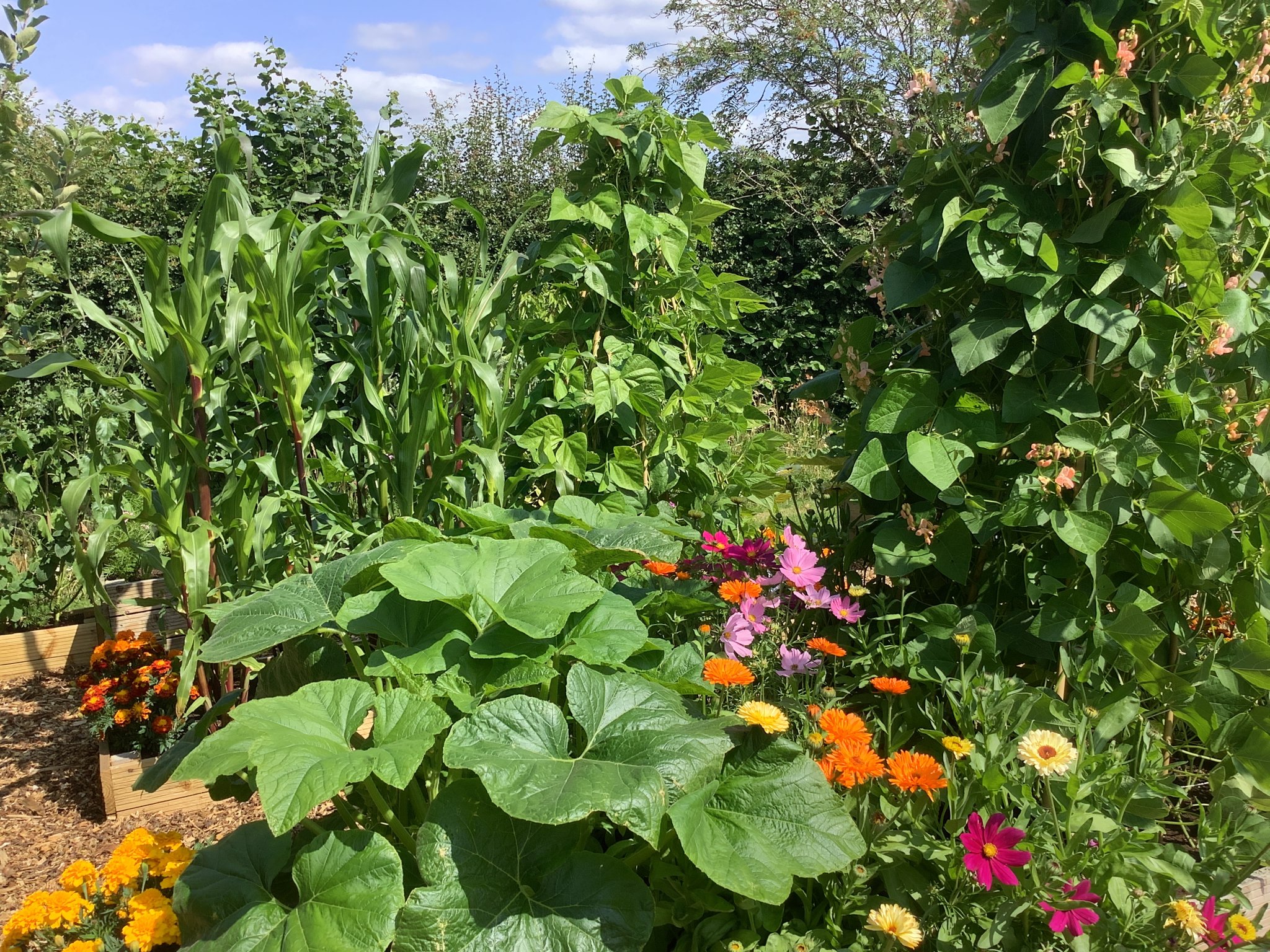
Our allotment is currently home to an incredible variety of crops. We are growing tomatoes, cucumbers, yellow and green courgettes, peas, potatoes, sweet potatoes, strawberries, blueberries, raspberries and grapes. In our polytunnels, we have been able to experiment with crops that might otherwise struggle in our Lancashire climate, including figs, melons, watermelons and luffas.
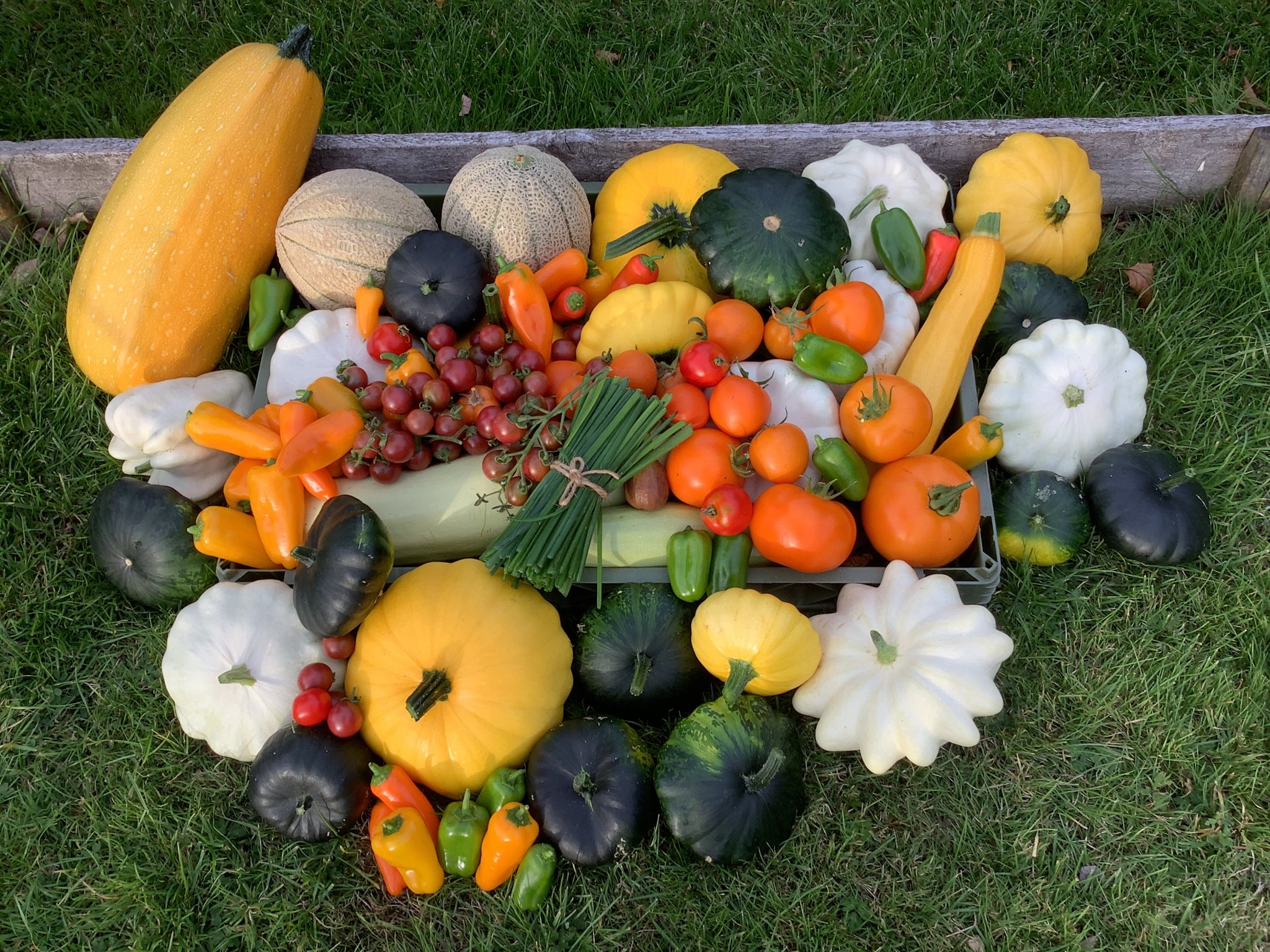
Then there are the squashes - lots of them!
Growing different varieties has given the children the opportunity to see just how much diversity there can be within one group of plants. Different shapes, sizes, colours and textures all developing from seeds and eventually becoming food we can harvest.
But our allotment is about much more than growing vegetables.
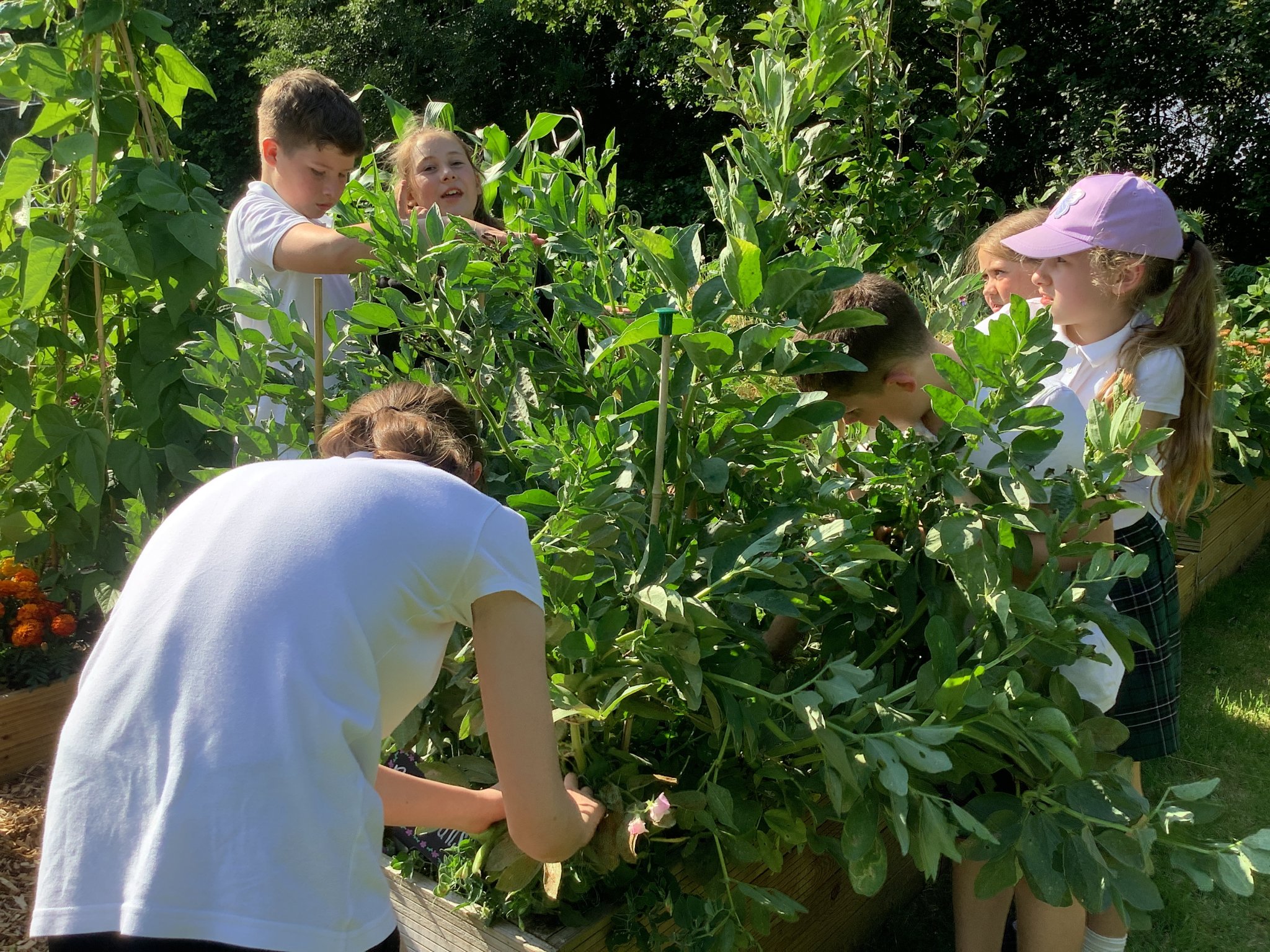
Every part of the growing process provides an opportunity to learn. The children can see what happens when a seed germinates, watch plants develop, discover the importance of pollinators, investigate soil and compost, observe wildlife and learn why different crops need different growing conditions.
They learn that food doesn’t simply appear on a supermarket shelf. It starts with a seed, requires care and patience, and can take weeks or even months before it is ready to harvest.
Our composting system also helps children understand that growing food can be part of a cycle. Fruit and vegetable waste from school snacks is composted and eventually returned to the garden, helping us to create a healthy growing environment our plants need.
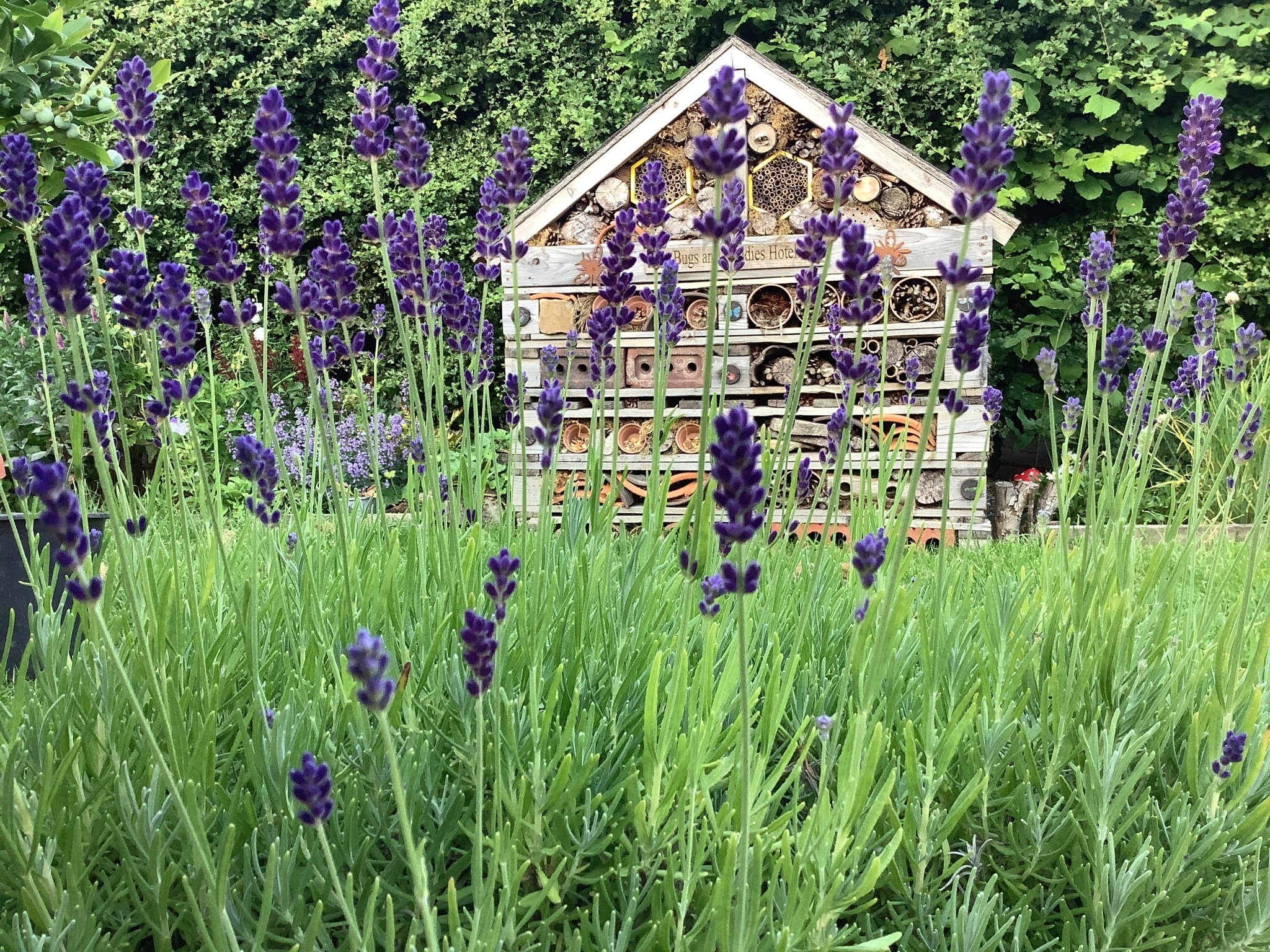
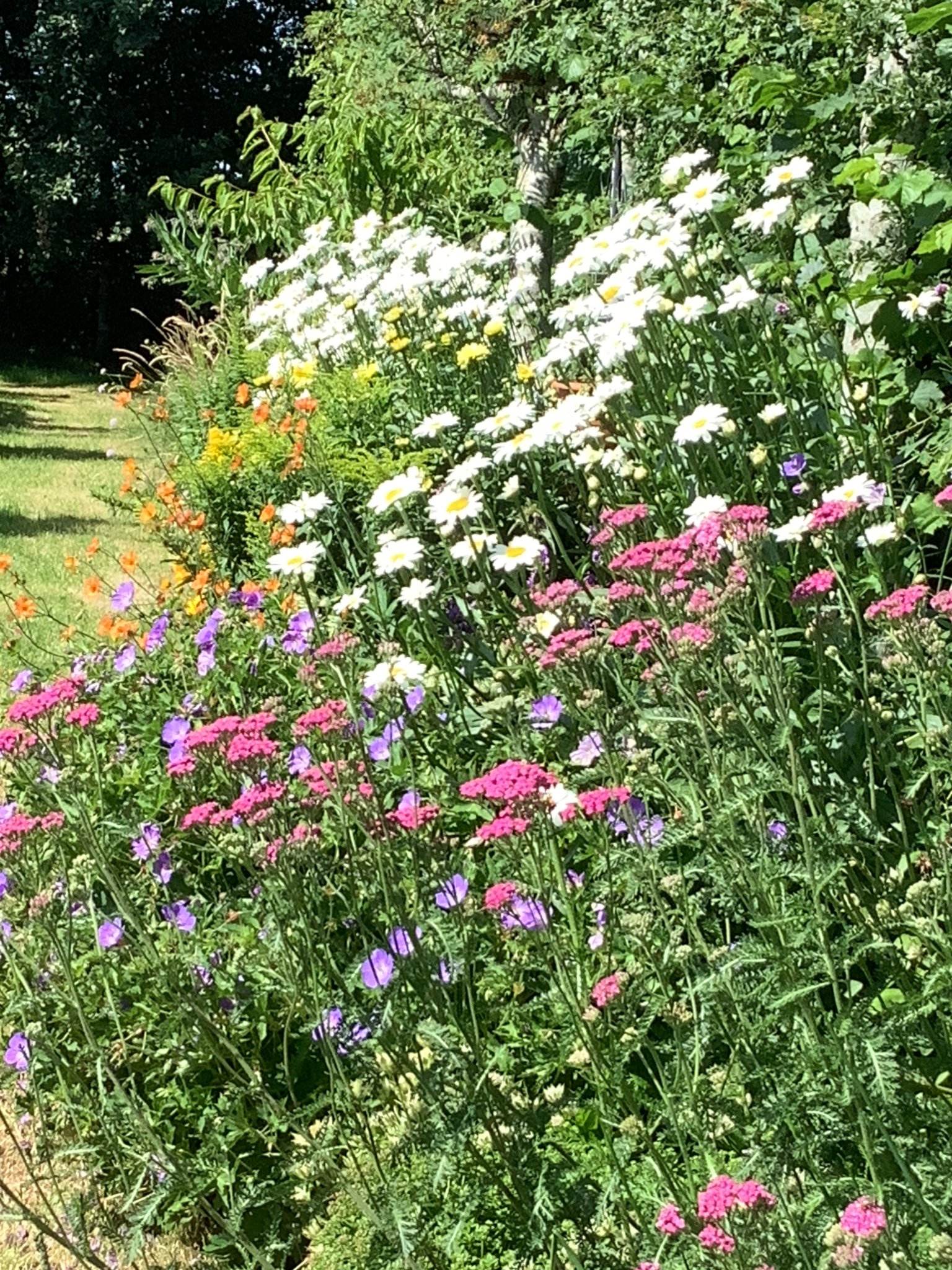
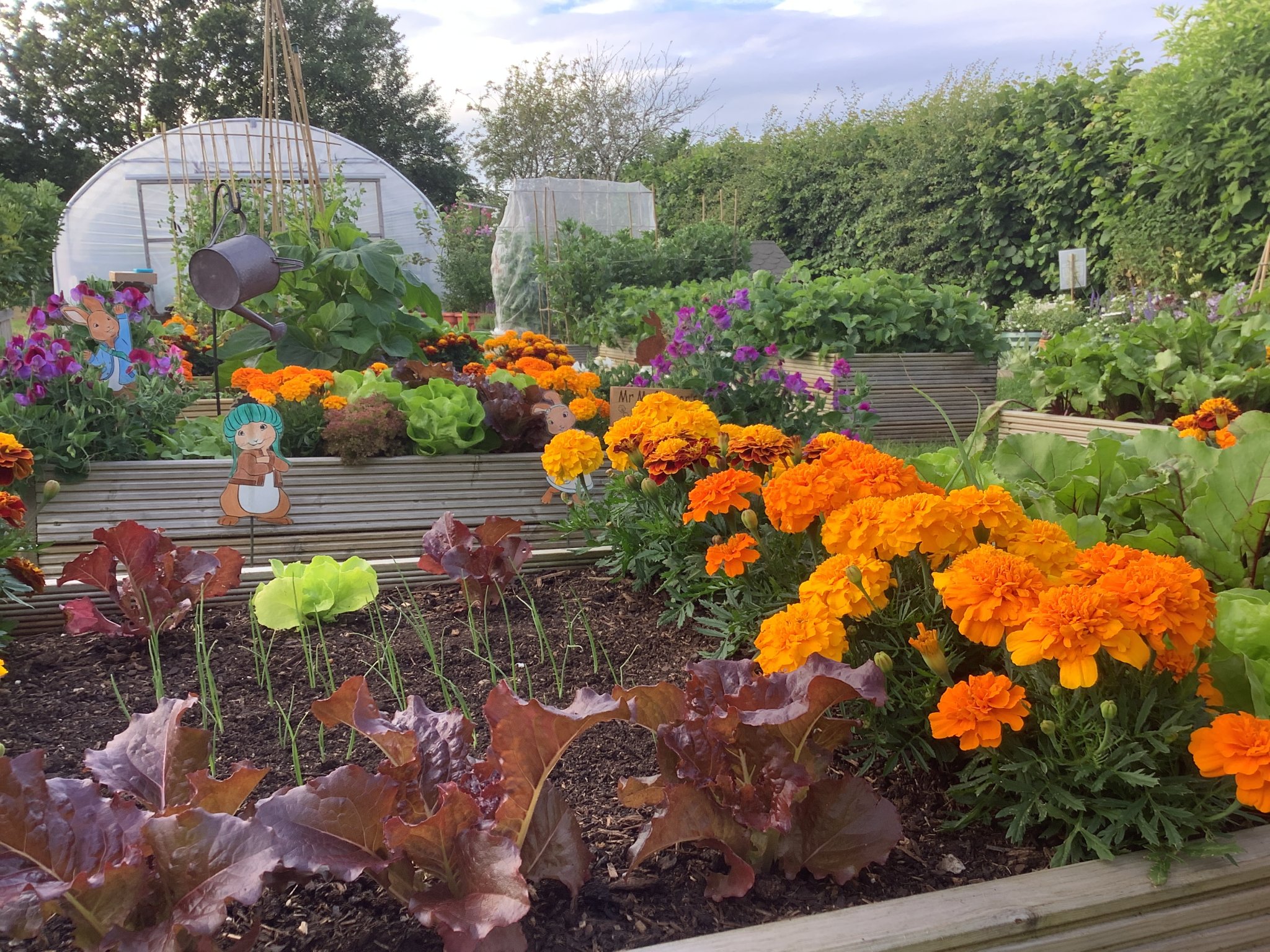
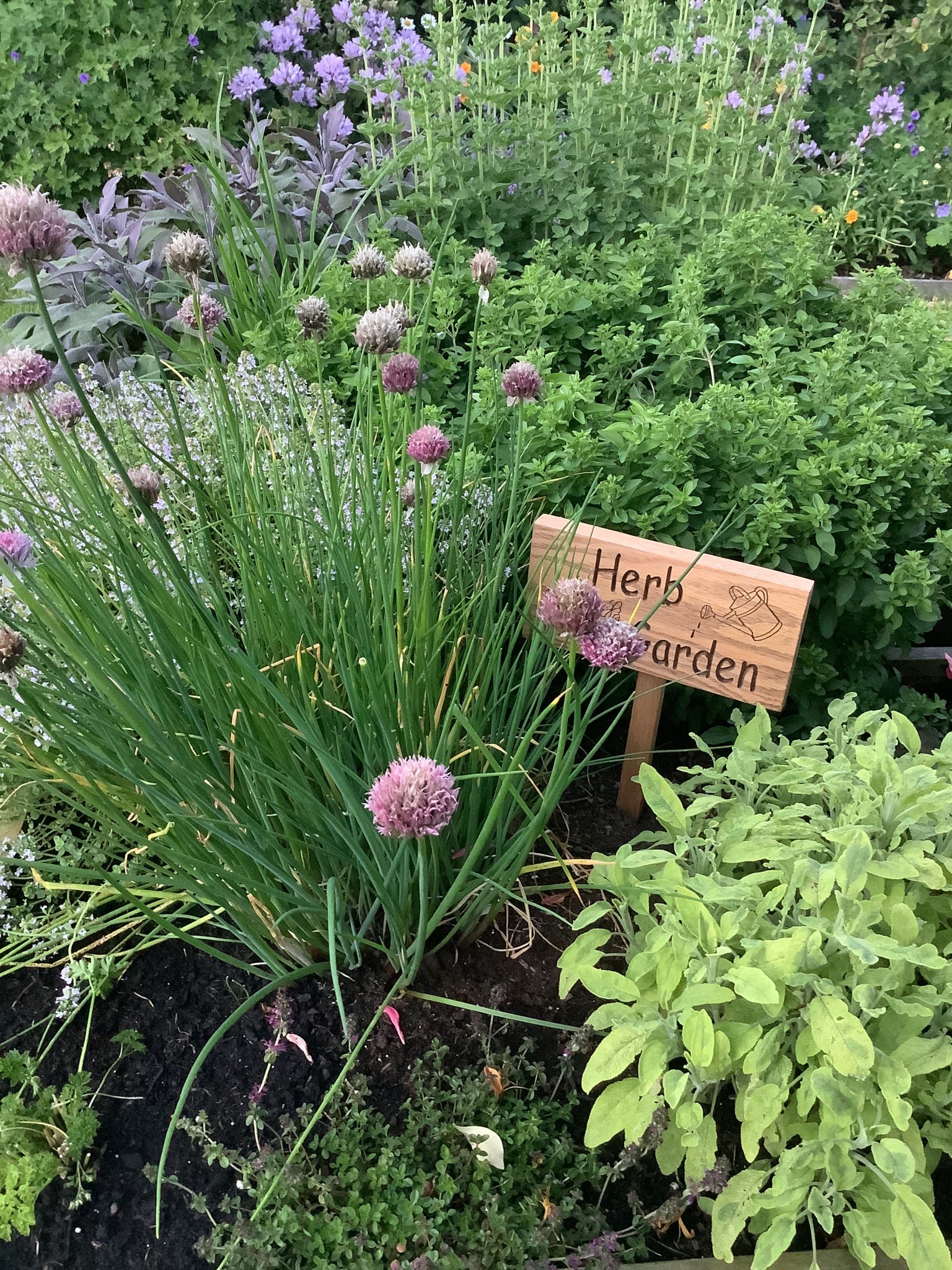
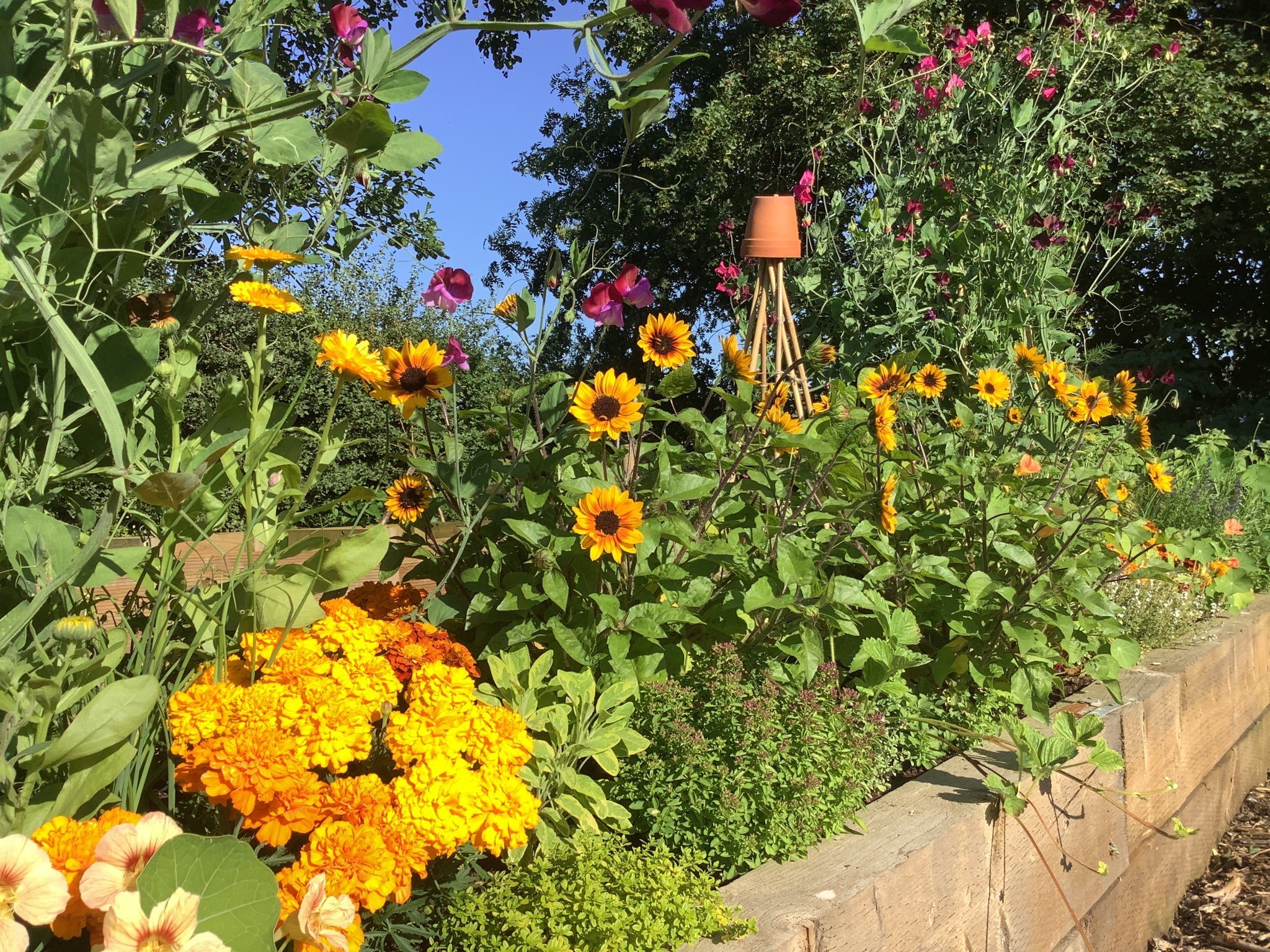
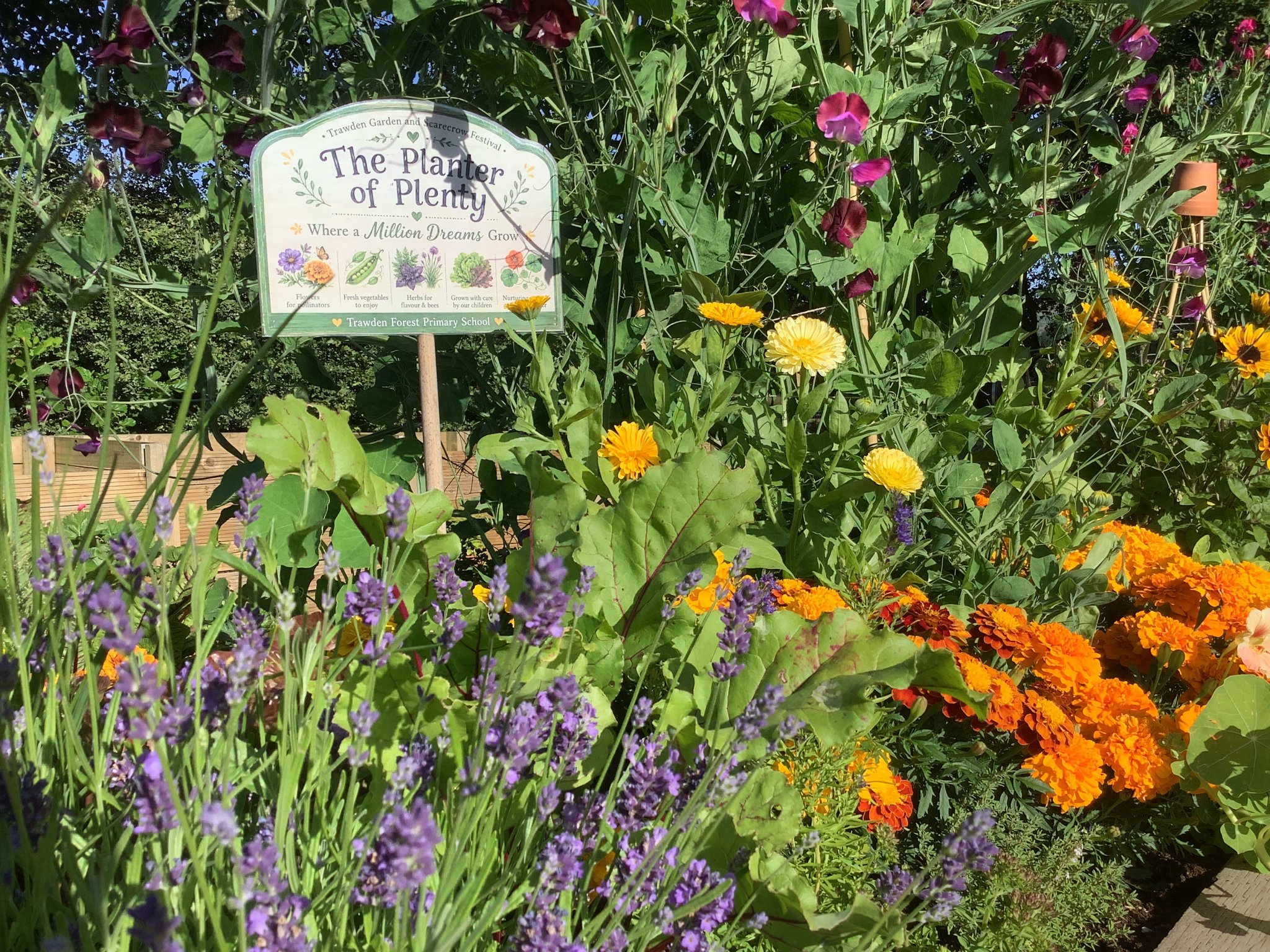
And while we grow food, we also grow with wildlife in mind. Our allotment includes areas for pollinators and other wildlife, helping children understand that a productive growing space doesn’t have to be separate from nature. In fact, the two can thrive alongside one another.
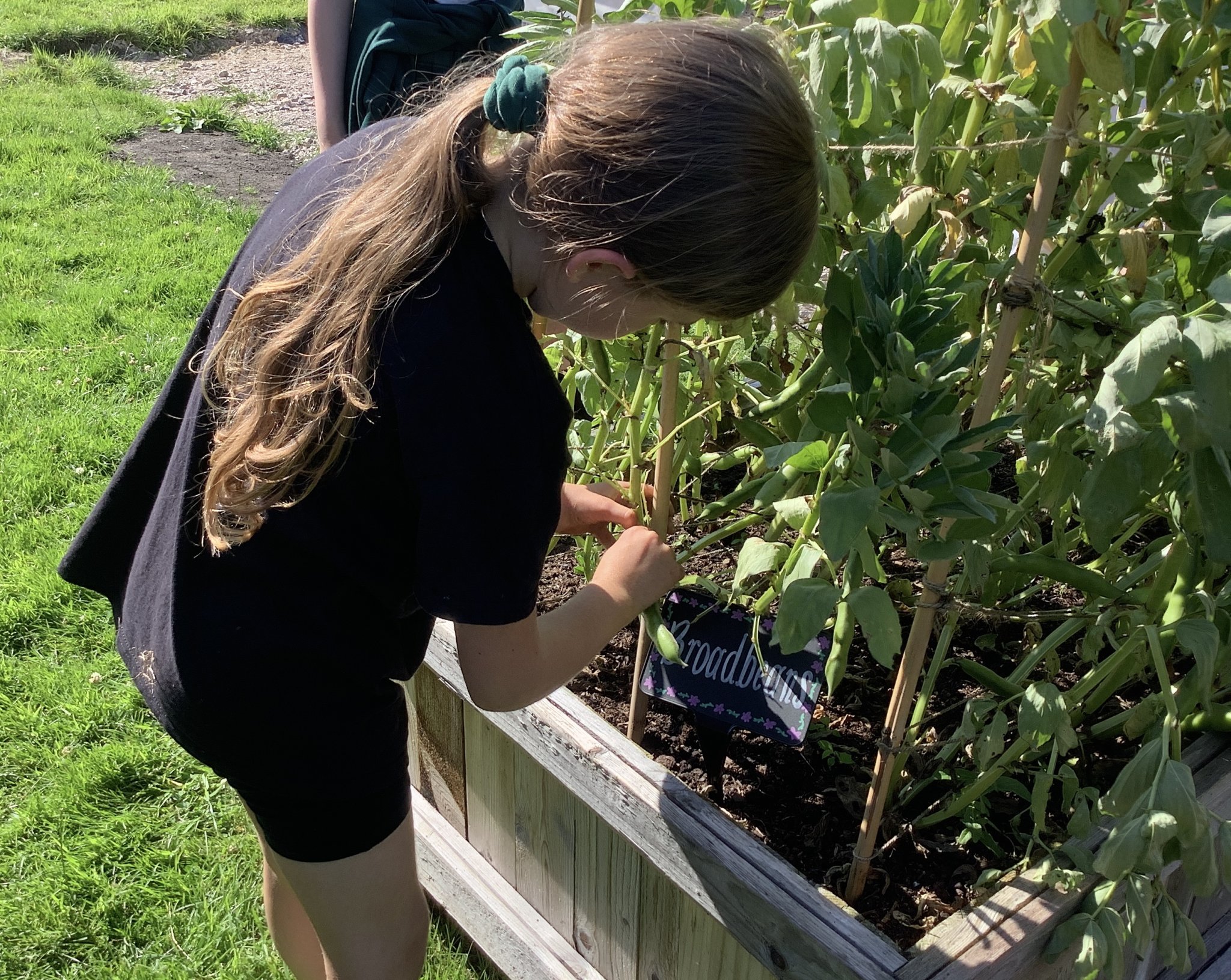
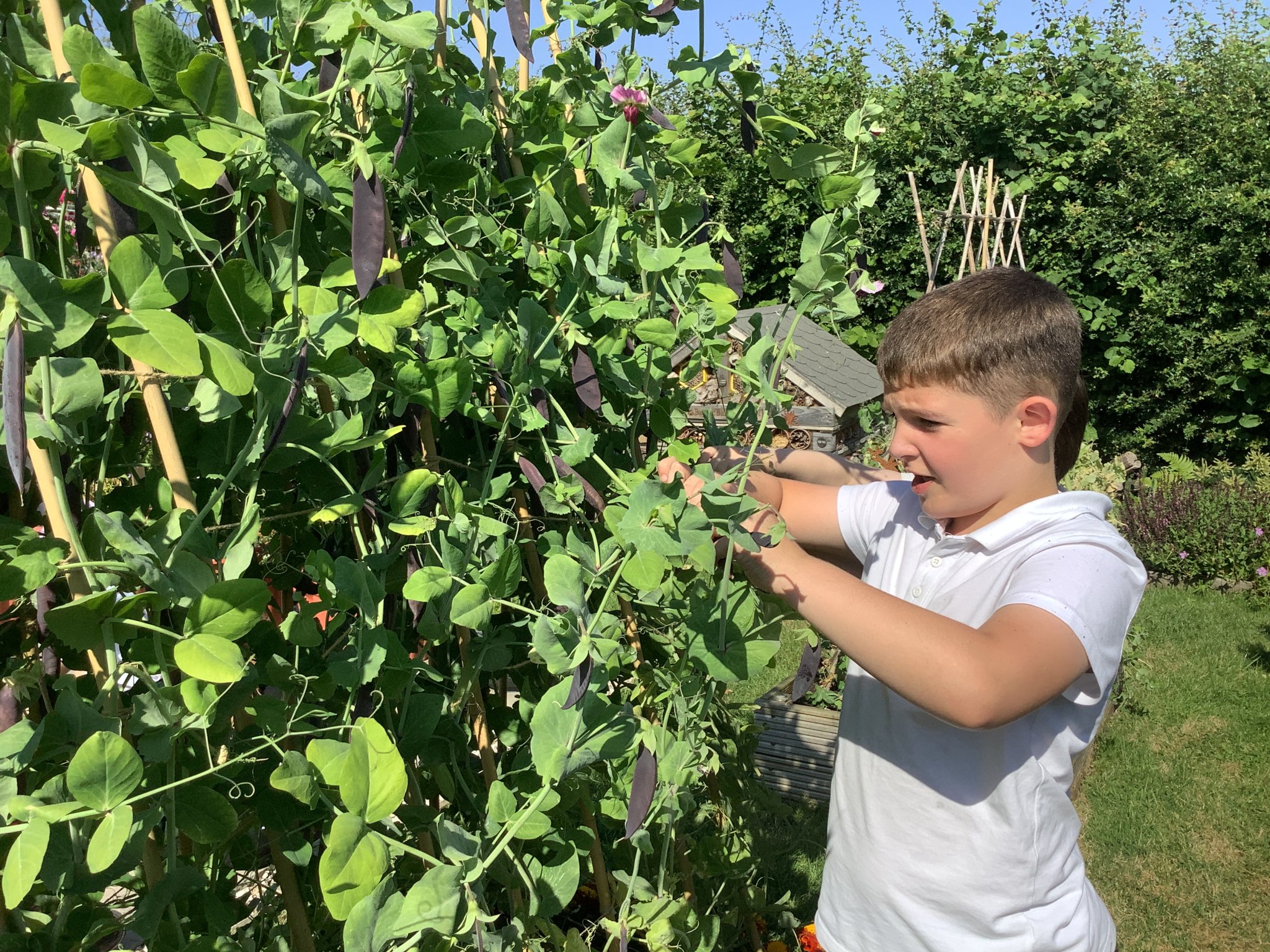
Perhaps some of the most valuable lessons come at harvest time, with our young gardeners picking something that they have watched grow from a tiny seed. This creates a connection with food that is difficult to replicate in a classroom. Our children can see, touch, smell and taste what they have grown and begin to understand the journey from plant to plate.
Our school allotment is therefore much more than a place where we grow food. It is an outdoor classroom - a place to experiment, observe, problem-solve, ask questions and discover things for ourselves.
And just like the plants we grow, the allotment continues to develop.
The new raised beds are giving us more opportunities to grow, more space for children to get involved and even more possibilities for the future.
Because when children grow food, they grow knowledge too.
And that is what “Grow to Learn” means to us.
Gardening Club - 2026 Grow to Learn: Our School Allotment in Action